






What's Happening?
Despite the passage of House Bill 1927 in 2021, often referred to as 'Constitutional Carry' or 'Permitless Carry,' many Texans are being arrested for unlawful carrying of weapons due to misunderstandings of the law. While the legislation removed the general
requirement for a License to Carry (LTC) a handgun in public, it did not abolish Texas Penal Code § 46.02 (Unlawful Carrying Weapons) or § 46.03 (Places Weapons Prohibited). Permitless carry is only lawful if an individual meets specific criteria, including being at least 21 years of age (with some exceptions), having no prior felony convictions, no recent violent misdemeanor convictions within the past five years, no active protective orders, and no federal prohibitions on firearm possession. Failure to meet these conditions, or carrying a handgun in prohibited locations or manners, can lead to immediate arrest, firearm confiscation, and serious misdemeanor or felony charges.
Why It's Important?
The widespread misinterpretation of Texas's 'Constitutional Carry' law has significant implications for public safety and individual rights. Hundreds of arrests occur annually in North Texas alone due to individuals believing they can carry a handgun anywhere without restriction. This highlights a critical gap in public understanding of complex firearm legislation. For individuals, an unlawful carrying charge can result in a Class A misdemeanor or a felony, leading to jail time, substantial fines, permanent forfeiture of the seized firearm, and potential revocation of the right to possess firearms under state and federal law. For law enforcement, the nuanced nature of the law requires careful enforcement to distinguish between lawful and unlawful carrying, while also addressing the public's misconceptions. The situation underscores the ongoing tension between Second Amendment rights and the need for clear, enforceable regulations to maintain public order.
What's Next?
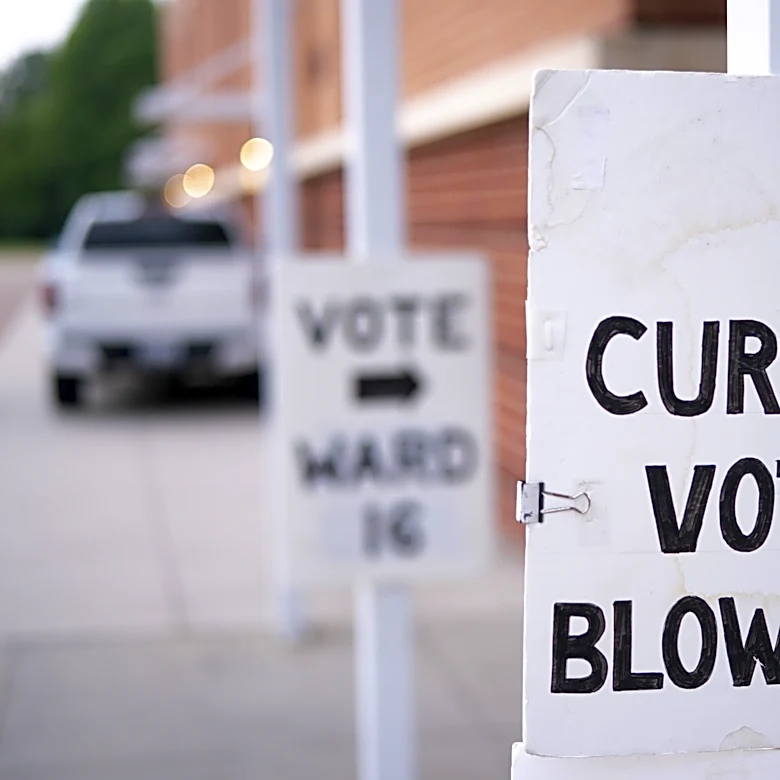
Individuals in Texas are advised to thoroughly understand the specific conditions and restrictions of the state's firearm laws to avoid criminal charges. This includes being aware of age requirements, criminal history prohibitions, and locations where firearms remain banned, such as schools, polling places, courthouses, and certain businesses that derive a majority of their income from alcohol sales. Property owners also retain the right to prohibit firearms on their premises, provided they comply with strict notice requirements. Legal defenses for unlawful carrying charges may include challenging the constitutional validity of a police stop, demonstrating a lack of knowing or reckless possession, or asserting 'traveling/en route' protections. Those facing such charges are strongly encouraged to seek legal counsel to navigate the complexities of the law and protect their rights.
Beyond the Headlines
The ongoing arrests despite 'Constitutional Carry' legislation reveal a broader societal challenge in communicating and understanding legal reforms, particularly concerning highly debated topics like gun control. The disconnect between the public's perception of 'permitless carry' and the actual legal framework points to the need for clearer public education campaigns regarding new laws. This situation also highlights the ethical responsibility of individuals to be fully informed about their rights and obligations when exercising freedoms, especially those with significant public safety implications. The legal system's role in balancing individual liberties with collective security is continuously tested by such legislative changes, leading to ongoing debates about the effectiveness of current laws and the potential for further reforms or clarifications.