




What's Happening?
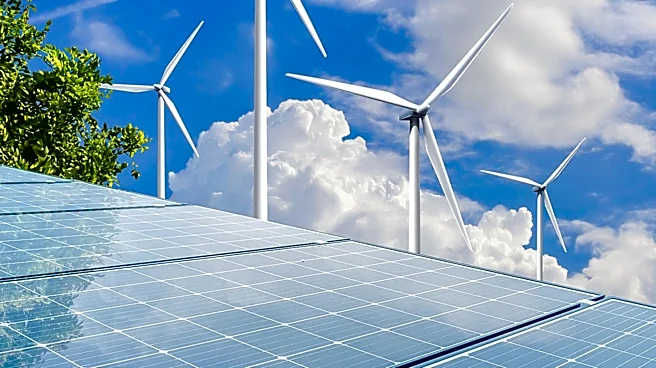
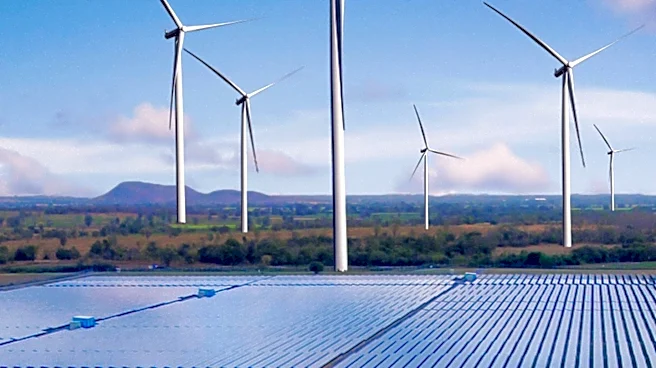
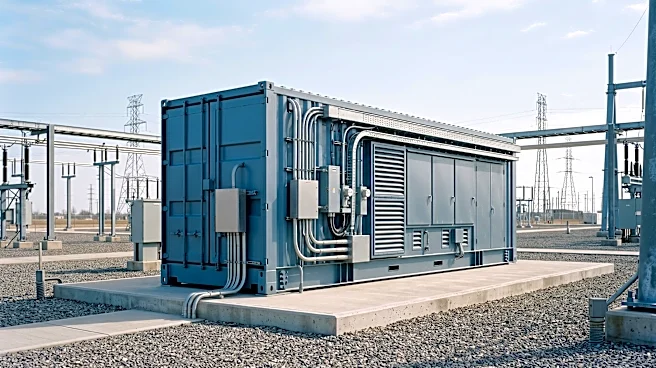
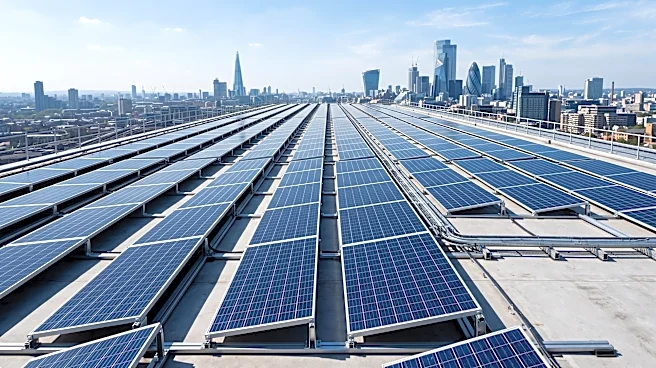
A recent analysis by energy think tank Ember, in collaboration with the Global Wind Energy Council (GWEC), indicates that integrating wind power with solar and batteries can decrease electricity costs by almost 20%. The study, accessible through Ember’s
Wind + Solar + Battery Atlas, an open-source interactive tool, found that adding wind to the energy mix reduces the median cost of meeting 90% of electricity demand from $105 to $86 per MWh. This represents a saving of approximately $20 per MWh. The median cost for firm solar and wind power, covering all demand with batteries and some backup, is $89 per MWh. The analysis highlights that combining solar and wind technologies helps mitigate the variability of each source, thereby reducing the need for extensive battery storage and making reliable renewable electricity more affordable. For instance, in Europe, the battery storage required to meet 90% demand shrinks from 20 hours of load to 12 hours with wind integration, and similarly in China, from 18 hours to 12 hours. This complementarity makes prolonged gaps in renewable electricity supply less frequent, as a week of low solar and wind output simultaneously occurs only about once every four years on average globally, compared to low solar output alone occurring roughly four times a year.
Why It's Important?
This analysis challenges the economic viability of new coal and gas power plants, suggesting that renewable alternatives are increasingly competitive. Globally, 845 GW of coal and gas capacity are currently in planning. The study reveals that by incorporating wind, the share of this planned capacity for which solar, wind, and batteries offer a cheaper alternative (under $100/MWh) increases from 71% to 90%. In China alone, adding wind makes an additional 91 GW of planned coal and gas capacity economically less attractive than renewables. When backup solutions are included, 706 GW of planned coal and gas capacity are in regions where firm renewable electricity costs less than $100/MWh; without wind, this figure drops to 520 GW. This indicates a significant shift in the economics of energy, where reliable power can be delivered at remarkably low costs almost everywhere by combining solar, wind, and batteries. This has profound implications for energy policy and investment decisions, potentially accelerating the global transition to clean energy and reducing reliance on fossil fuels, even in regions with substantial planned fossil fuel infrastructure.
What's Next?
The findings are expected to influence future energy planning and investment, particularly in regions with significant planned coal and gas capacity. The demonstrated cost-effectiveness of combined wind, solar, and battery systems could lead to a re-evaluation of proposed fossil fuel projects. Policymakers and energy developers may increasingly prioritize integrated renewable energy solutions to meet growing electricity demand while simultaneously reducing costs and enhancing grid reliability. The continued development and deployment of such systems are likely to accelerate, driven by both economic incentives and environmental goals. The open-source nature of Ember’s Wind + Solar + Battery Atlas will allow stakeholders to assess the cost of reliable electricity in their specific regions, fostering informed decision-making and potentially catalyzing further investment in wind energy infrastructure.
Beyond the Headlines
The study underscores a fundamental shift in the energy landscape, moving beyond the perception of renewables as solely intermittent sources. By highlighting the synergistic benefits of combining wind, solar, and battery storage, the analysis positions these technologies as a comprehensive and reliable solution for electricity generation. This integrated approach not only addresses the intermittency challenge but also offers a compelling economic argument for decarbonization. The implications extend to energy security, as increased reliance on domestic renewable resources can reduce vulnerability to volatile international fossil fuel markets. Furthermore, the widespread adoption of these technologies could stimulate innovation in grid management, energy storage, and smart energy systems, fostering a more resilient and sustainable energy future. The challenge now lies in overcoming regulatory and infrastructural hurdles to fully realize the potential of these integrated renewable energy systems.