







What's Happening?
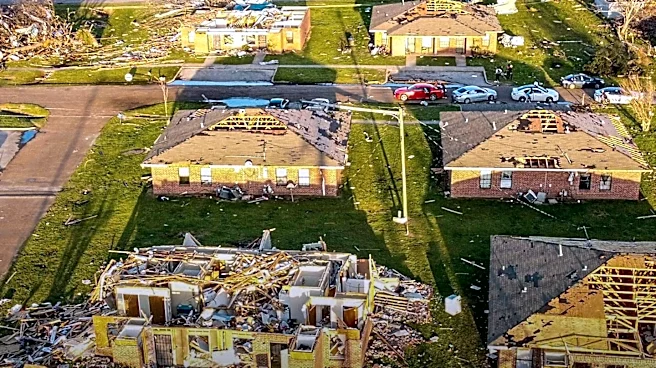
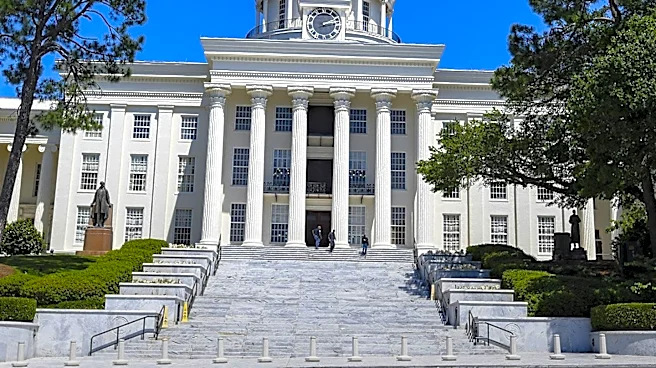
Alabama Governor Kay Ivey has formally submitted a request to the President, through FEMA, for a 'major disaster declaration' for the state. This request, if approved, would unlock various forms of federal assistance for Alabama. The potential assistance includes
Individual Assistance, which provides direct financial aid from FEMA to individuals for uninsured or underinsured losses. It also encompasses Public Assistance, which is allocated to help rebuild damaged public infrastructure such as roads and bridges. Additionally, a major disaster declaration could open access to Small Business Administration (SBA) loan programs and hazard mitigation grants, which are specifically designed for disaster situations. The Alabama Emergency Management Agency (EMA) emphasizes that while the state awaits this federal response, immediate help is available for those in need by dialing 2-1-1 or texting their ZIP code to 898-211.
Why It's Important?
A major disaster declaration is critical for Alabama's recovery efforts following a significant event, as it provides essential federal resources that often exceed the state's capacity to manage independently. The availability of Individual Assistance directly impacts affected residents, offering a lifeline for those who have lost homes or property and lack adequate insurance. Public Assistance is vital for restoring community infrastructure, which is fundamental for economic recovery and public safety. Without federal aid, the financial burden on the state and local governments would be immense, potentially delaying reconstruction and prolonging the suffering of affected communities. The SBA loan programs and hazard mitigation grants further support long-term recovery and resilience, helping businesses rebuild and communities implement measures to reduce future disaster risks.
What's Next?
Alabama is currently awaiting the President's decision on Governor Ivey's request for a major disaster declaration. If approved, FEMA will begin the process of deploying resources and coordinating with state and local agencies to distribute aid. This will involve assessing damages, processing applications for individual and public assistance, and implementing various recovery programs. The timeline for such approvals can vary, but the state's emphasis on immediate local support via 2-1-1 indicates a recognition that federal processes can take time. The focus will be on efficient allocation of funds and resources to ensure timely recovery for affected areas and residents.
Beyond the Headlines
The process of requesting and receiving a federal major disaster declaration highlights the complex interplay between state and federal governments in disaster response and recovery. It underscores the critical role of FEMA and the President in providing support during emergencies, often becoming a political and logistical challenge. The distinction between Individual and Public Assistance also reveals the multifaceted nature of disaster aid, addressing both personal losses and broader infrastructural damage. This event also brings to light the ongoing need for robust disaster preparedness and mitigation strategies at all levels of government, as well as the importance of community resilience and local support networks in the immediate aftermath of a disaster, even while awaiting federal intervention.