




What's Happening?
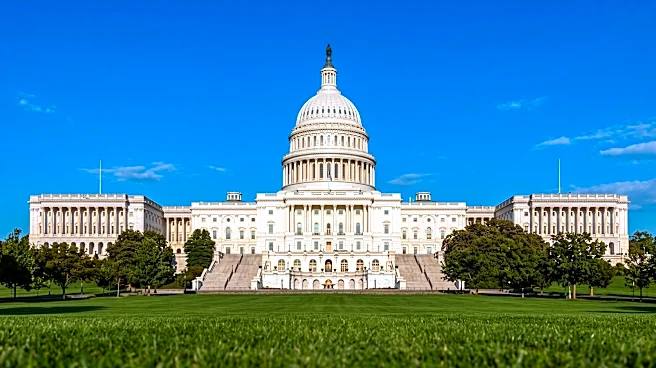
Senator John Boozman has introduced the SUSTAIN 340B Act, a bipartisan bill aimed at safeguarding access to discounted drugs provided through the federal 340B program. This program mandates that pharmaceutical companies participating in Medicaid and Medicare
offer outpatient drugs at reduced prices to hospitals and clinics that serve low-income, uninsured patients, and rural communities. In recent years, pharmaceutical companies have attempted to restrict access to these discounted drugs by limiting their distribution to only in-house pharmacies of safety-net clinics, which has particularly impacted rural patients who often face long travel distances to pick up essential medications. Many clinics also lack their own pharmacies. The proposed legislation seeks to codify the use of contract pharmacies by safety-net providers, thereby ensuring broader access and upholding the original intent of the 340B program. Additionally, the bill includes comprehensive reforms to prevent abuse of the program by either pharmaceutical companies or healthcare providers, incorporating new reporting requirements and expanded audits to enhance oversight.
Why It's Important?
The SUSTAIN 340B Act is crucial for the financial stability and operational capacity of safety-net healthcare providers, especially those in rural areas. These providers heavily rely on the savings generated by the 340B program to subsidize uncompensated care. When pharmaceutical companies limit access to discounted drugs, it directly undermines a clinic's ability to fund vital safety-net services, potentially leading to reduced access to care and financial strain for rural hospitals and clinics. The bill's provision to codify the use of contract pharmacies is particularly significant, as it would counteract efforts by some manufacturers to bypass existing state laws, such as Arkansas's Act 1103, which aimed to protect wider distribution of 340B drugs. Furthermore, the legislation's focus on preventing abuse through new reporting requirements and expanded audits aims to create a more structured and transparent program, benefiting both providers and patients by ensuring the program's integrity and effectiveness.
What's Next?
The SUSTAIN 340B Act is expected to proceed to a hearing when the Senate reconvenes later this month. If passed, the bill would establish a more robust framework for the oversight of the 340B program, a feature that has been lacking in the past. A key component of the act is its aim to ensure point-of-purchase discounts, effectively eliminating a controversial Department of Health and Human Services 340B rebate model. This rebate model, which is set to begin a one-year pilot program for 25 specific drugs on January 1, would require safety-net health providers to pay the full cost of drugs upfront and then seek a rebate later. Healthcare professionals, such as UAMS associate chief pharmacy officer Layton Kelley, have expressed concerns that even at a limited scale, this rebate model could negatively impact the cash flow of covered entities, including rural hospitals and UAMS, by forcing them to upfront significant costs and then await reimbursement.
Beyond the Headlines
The ongoing debate and legislative efforts surrounding the 340B program highlight a deeper tension between pharmaceutical companies' profit motives and the public health mission of safety-net providers. The attempts by some pharmaceutical manufacturers to restrict drug distribution and implement rebate models can be seen as strategies to reduce their financial obligations under the 340B program, potentially shifting costs back to vulnerable healthcare systems and patients. The SUSTAIN 340B Act, by codifying contract pharmacy use and ensuring point-of-purchase discounts, aims to reinforce the original intent of the program: to support healthcare for underserved populations. This legislative push also underscores the critical role of federal programs in addressing healthcare disparities, particularly in rural areas where access to affordable medication and comprehensive care is often limited. The outcome of this bill could set a precedent for how federal drug discount programs are regulated and enforced, influencing the financial viability of countless healthcare organizations and the accessibility of essential medicines for millions of Americans.