



What's Happening?
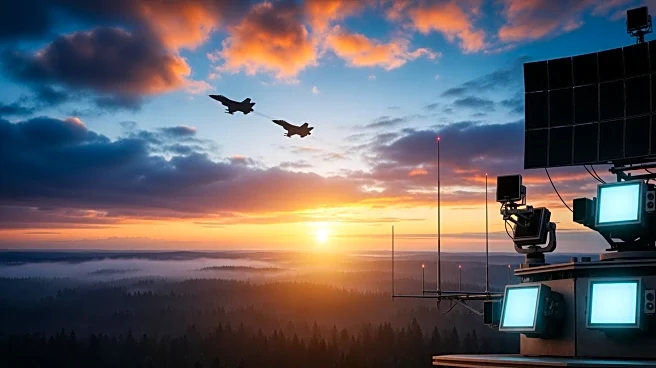
NATO scrambled fighter jets following a significant Russian attack on Ukraine, which involved 653 drones and 53 hypersonic and ballistic missiles. This attack prompted Poland, a NATO member, to deploy its Air Force jets as a preventive measure. The incident
underscores the escalating tensions in Europe, with NATO chief Mark Rutte warning that Russia could potentially engage NATO in direct conflict within the next five years. Rutte emphasized the need for increased defense spending among member states, highlighting the urgency of the situation. The attack and subsequent military responses reflect the ongoing volatility in the region, as Russia continues to exert military pressure.
Why It's Important?
The escalation of military activities by Russia poses a significant threat to European security and stability. NATO's response, including Poland's preventive measures, indicates the alliance's readiness to counter potential threats. The situation highlights the importance of collective defense and the need for increased military preparedness among NATO members. The potential for direct conflict with Russia could have far-reaching implications for global security, economic stability, and international relations. Countries within NATO may need to reassess their defense strategies and allocate more resources to ensure regional security.
What's Next?
NATO and its member states are likely to continue monitoring the situation closely, with potential increases in defense spending and military readiness. Diplomatic efforts may also intensify to de-escalate tensions and prevent further conflict. The international community will be watching closely to see how Russia responds to NATO's actions and whether further provocations occur. The situation may also influence future NATO policies and strategies regarding collective defense and deterrence.