





What's Happening?
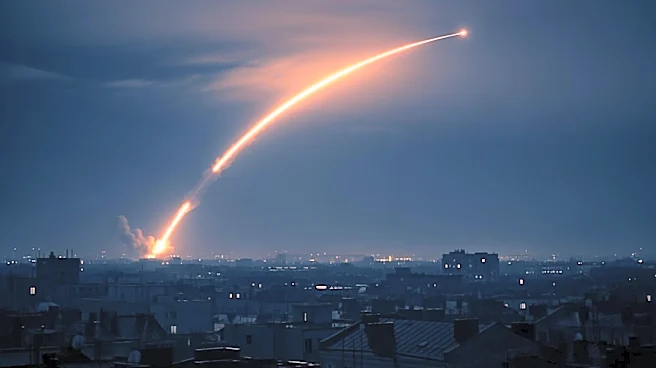
The Kremlin has issued a stark warning to the United States and its allies, indicating plans for systematic strikes on military and decision-making centers in Kyiv. Russian Foreign Minister Sergey Lavrov communicated this message to U.S. Secretary of
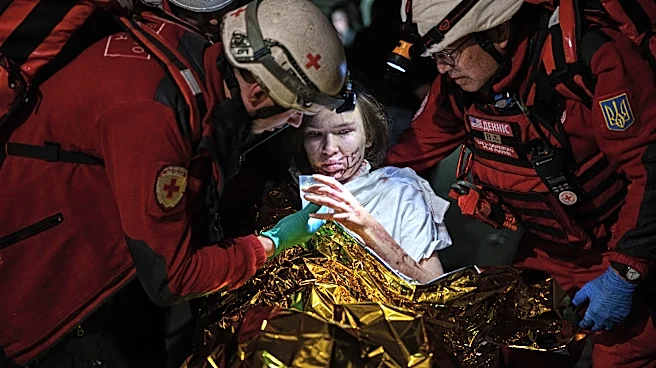
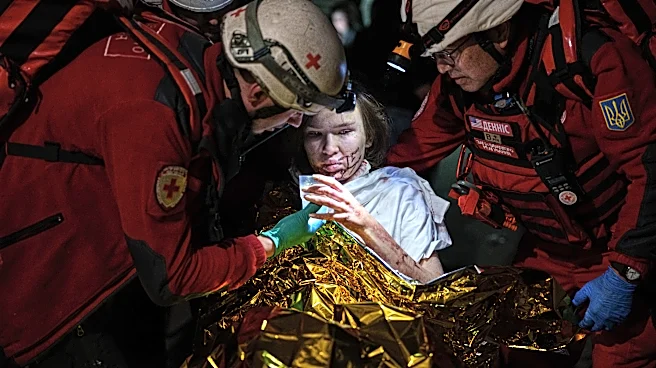
State Marco Rubio, who confirmed that President Trump was informed. The Kremlin's statement follows recent heavy strikes on Kyiv, which resulted in casualties and injuries. Moscow claims these actions are retaliatory measures against alleged Ukrainian attacks on Russian-controlled territories. The European Union and several countries have summoned Russian ambassadors, condemning the escalation and refusing to evacuate their diplomatic missions from Kyiv.
Why It's Important?
This development marks a significant escalation in the ongoing conflict between Russia and Ukraine, with potential implications for international relations and security in Europe. The direct communication to the U.S. underscores the gravity of the situation, potentially affecting diplomatic and military strategies. The EU's refusal to evacuate highlights a unified stance against Russian aggression, which could influence future geopolitical dynamics. The situation also poses risks to civilian safety and could lead to further destabilization in the region, impacting global markets and international policies.
What's Next?
The international community is likely to monitor the situation closely, with potential diplomatic efforts to de-escalate tensions. NATO may consider reinforcing its eastern flank, particularly in the Baltic states, to deter further Russian aggression. The U.S. and its allies might explore additional sanctions or diplomatic measures to pressure Russia. Meanwhile, Ukraine will continue to seek support from Western nations to bolster its defense capabilities. The situation remains fluid, with the possibility of further military actions or diplomatic negotiations in the coming days.