




What's Happening?
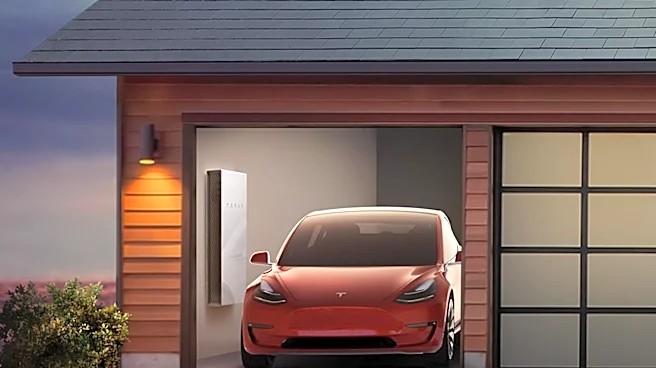
Clean Power Alliance (CPA) has expanded its Sun Storage Rebate Program, increasing the financial incentive for residential customers to install battery storage systems alongside their solar photovoltaic (PV) panels. The base incentive has been raised
from $750 to $2,000, with additional incentives available that can bring the total rebate to as much as $3,500. This program aims to reduce the upfront cost of battery storage, enabling customers to maximize their use of solar energy, decrease reliance on the grid during peak demand, and maintain power during outages. Since its launch in 2024, CPA has provided over $330,000 in rebates to 270 customers and has committed $1.62 million for the current fiscal year. To qualify, customers must be active CPA residential customers, install a battery storage system of at least 5 kWh paired with a solar PV system, and ensure the system is listed on California’s SGIP verified equipment list and installed by a licensed contractor.
Why It's Important?
This expansion is significant for California residents, particularly those in areas prone to Public Safety Power Shutoff (PSPS) events, as it directly addresses energy reliability and cost concerns. By making battery storage more affordable, CPA is empowering homeowners to achieve greater energy independence and resilience against power interruptions. The program also supports broader environmental goals by increasing the utilization of locally generated renewable energy, thereby reducing greenhouse gas emissions. The financial incentives help overcome a major barrier to battery adoption—the initial cost—and encourage a more efficient use of solar power, shifting consumption away from peak demand periods when electricity is more expensive and often generated by less clean sources. This initiative contributes to California's leadership in renewable energy adoption and grid modernization.
What's Next?
Eligible CPA residential customers can apply for the incentive either before installation or within three months after installing a qualifying system. Rebates are available on a first-come, first-served basis, indicating that interested customers should act promptly while funding remains. The program's continued success and potential for further expansion will likely depend on the uptake rate and the availability of future funding. CPA's commitment of $1.62 million for the current fiscal year suggests ongoing support for battery storage integration. This initiative could also serve as a model for other utility providers and regions looking to enhance energy resilience and promote renewable energy adoption through financial incentives.
Beyond the Headlines
The increased adoption of residential battery storage, driven by programs like CPA's, represents a fundamental shift in how consumers interact with the energy grid. It moves beyond simply generating solar power to actively managing and storing it, transforming homes into micro-grids capable of greater self-sufficiency. This trend has implications for grid stability, potentially reducing strain on infrastructure during peak times and mitigating the impact of outages. Furthermore, it fosters a more decentralized energy system, giving consumers more control over their energy consumption and production. The focus on PSPS-affected areas also highlights the growing importance of energy resilience in the face of climate-related challenges and infrastructure vulnerabilities.