




What's Happening?
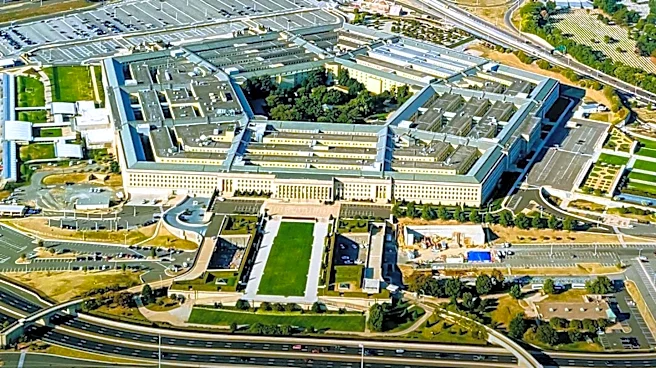
Actor Gary Sinise is leading efforts alongside various organizations and educators to ensure that the history and significance of the September 11th attacks are not forgotten by younger generations. Sinise's foundation provides free educational trips
to Ground Zero, the Pentagon, and Shanksville, PA. He is also featured in a new documentary, 'The Heroism and Resiliency of 9/11: From Tragedy to Triumph,' which aims to become a lasting educational resource. Sinise emphasizes shifting the slogan from 'Never forget' to 'We remember' for those who did not witness the events firsthand. Other initiatives include the 9/11 Legacy Foundation's national educational curriculum, a video-based curriculum developed by the College of Staten Island, Tunnel to Towers, and the Carl V. Bini Memorial Fund, and a $1 million allocation by New York City Council Speaker Julie Menin for free school field trips to the 9/11 museum. These efforts come as the 25th anniversary of 9/11 approaches, highlighting a recognized need for structured educational content.
Why It's Important?
The concerted effort to educate new generations about 9/11 is crucial for maintaining historical awareness and understanding the event's profound impact on the United States. As time passes, a significant portion of the population has no direct memory of the attacks, making educational initiatives vital for preserving the collective memory and lessons learned. This push ensures that future citizens comprehend not only the tragedy but also the national response and resilience that followed. The involvement of prominent figures like Gary Sinise lends visibility and credibility to these educational programs, potentially increasing their reach and effectiveness. Furthermore, the development of comprehensive curricula and accessible resources, such as documentaries and museum trips, aims to provide a standardized and impactful narrative, preventing the historical event from becoming merely a distant story. This collective remembrance is essential for national identity and for informing future responses to crises.
What's Next?
The new documentary, 'The Heroism and Resiliency of 9/11: From Tragedy to Triumph,' is set to premiere on September 8 at AMC Empire 25 in Times Square, which will likely increase public awareness and engagement with the educational efforts. The various curricula being developed, including the national program from the 9/11 Legacy Foundation and the video-based curriculum from Staten Island institutions, are expected to be implemented in schools and made available online, broadening their reach. The $1 million allocated by the New York City Council for school field trips to the 9/11 museum will facilitate direct experiential learning for many students. As the 25th anniversary of 9/11 approaches, there will likely be increased media attention and public discourse surrounding these educational initiatives, potentially leading to further funding and broader adoption of these programs across the country. The ongoing goal is to integrate these educational tools into standard historical education.
Beyond the Headlines
The drive to educate new generations about 9/11 extends beyond mere historical recounting; it delves into the ethical and cultural dimensions of national memory and collective trauma. The shift from 'Never forget' to 'We remember' signifies an evolving approach to remembrance, acknowledging that direct experience is fading and that future generations will engage with the event through mediated narratives. This raises questions about how historical events are preserved and transmitted in an increasingly digital and fragmented information landscape. The emphasis on 'how Americans answered' rather than just 'how America was attacked' highlights a focus on resilience, unity, and heroism, shaping a particular national narrative. This educational push also underscores the ongoing debate about the role of public institutions and private foundations in shaping historical understanding and national identity, particularly concerning events that have deeply impacted the nation's psyche and policy.