






What's Happening?
The U.S. Department of Agriculture has confirmed two new cases of New World screwworm in Grant County, New Mexico. These cases, identified in a horse and a calf, follow a previous detection in a horse in September and a case in a Lea County dog in June.
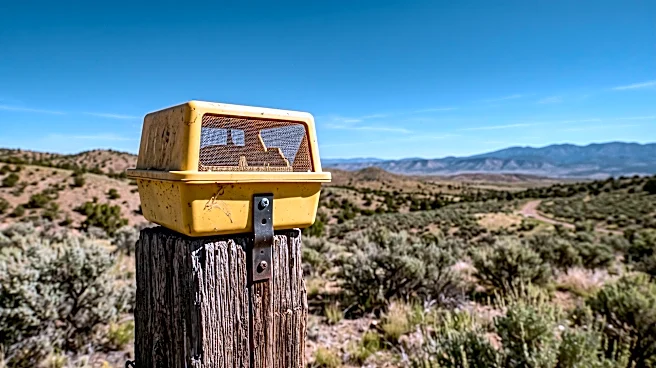
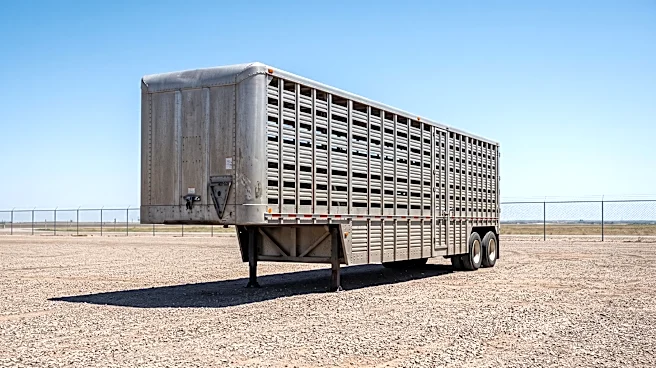
New Mexico officials, including Secretary of Agriculture Jeff Witte, have expanded surveillance efforts and fly-trapping near the affected locations to identify and contain any additional infestations. Two infested zones have been established around the animals' locations, requiring inspection and treatment of animals within these areas. This development occurs shortly after the reopening of the Santa Teresa cattle crossing, which had been closed for nearly two years due to the presence of New World screwworm in neighboring Mexico. The crossing typically handles between 3,000 and 3,500 cattle daily.
Why It's Important?
The confirmation of new screwworm cases poses a significant threat to the U.S. livestock industry and wildlife. New World screwworms are parasitic flies whose larvae infest the wounds of warm-blooded animals, causing severe tissue damage, illness, and potentially death if left untreated. An outbreak could lead to substantial economic losses for ranchers due to animal health issues, treatment costs, and potential restrictions on livestock movement and trade. The re-emergence of screwworm, especially near a major cattle crossing, highlights vulnerabilities in border biosecurity and disease surveillance systems. The closure of the Santa Teresa crossing previously demonstrated the economic impact of such outbreaks on cross-border trade. Continued vigilance and rapid response are crucial to prevent a widespread infestation that could devastate animal populations and agricultural livelihoods across the nation.
What's Next?
New Mexico state and federal officials are intensifying surveillance and fly-trapping operations in the affected areas of Grant County to detect and eradicate any further screwworm infestations. Animal owners are urged to remain vigilant and monitor their animals for non-healing wounds, maggots, or unusual discharge, and to report any suspected cases immediately to the New Mexico Livestock Board. The establishment of infested zones means that animals within these areas will undergo mandatory inspection and treatment to prevent further spread. The Department of Agriculture will likely continue to work closely with livestock producers, veterinarians, and animal owners to ensure compliance with biosecurity measures. The situation at the Santa Teresa cattle crossing will also be under close scrutiny, with potential implications for its operational status if the screwworm threat escalates, impacting the flow of cattle and trade between the U.S. and Mexico.
Beyond the Headlines
The re-emergence of New World screwworm in New Mexico underscores the persistent challenge of managing transboundary animal diseases, particularly in regions with active cross-border movement of livestock. This situation highlights the delicate balance between facilitating trade and maintaining robust biosecurity protocols. Beyond the immediate economic impact on ranchers, a widespread screwworm infestation could have ecological consequences, affecting wildlife populations that are also susceptible to the parasite. The incident also serves as a reminder of the importance of public awareness and cooperation in disease control efforts, as early detection and reporting by animal owners are critical for effective containment. The long-term implications could include a re-evaluation of border inspection procedures and increased investment in surveillance technologies and rapid response capabilities to safeguard the nation's animal health and agricultural economy from similar biological threats.