





What's Happening?
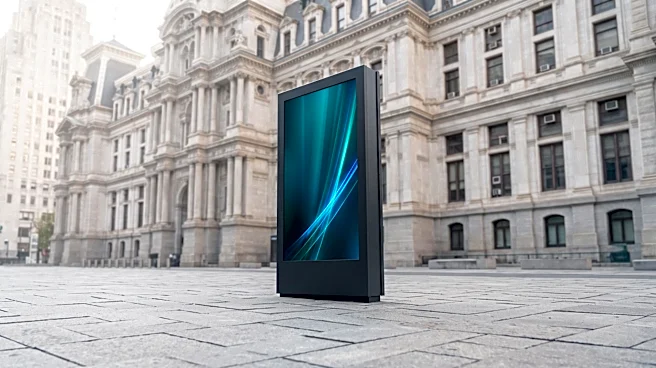
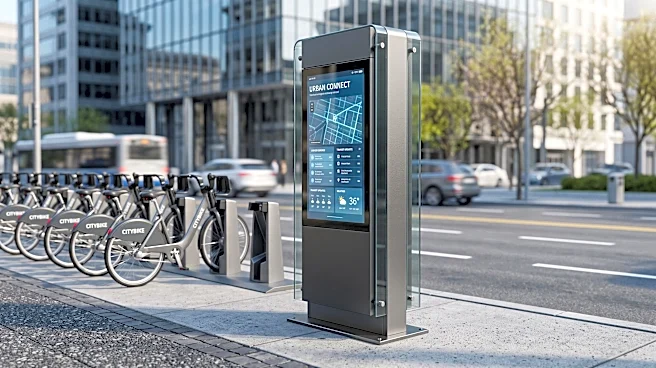
Philadelphia has deployed IKE Smart City interactive kiosks at its Indego bike-share stations. These kiosks are designed to provide a range of services to cyclists and pedestrians, including navigation tools, neighborhood information, and free public
Wi-Fi. The accessible units feature touchscreens on both sides and offer applications in multiple languages. Users can access transit arrival times, weather updates, local event listings, and nearby restaurant information. Beyond practical utilities, the kiosks also display public art, community announcements, and safety alerts, extending their utility beyond just bike-share users. The initiative aims to enhance urban connectivity and provide valuable resources to residents and visitors alike. Advertising revenue generated from these kiosks will be reinvested into the Indego bike-share program to support its ongoing improvements and expansion efforts. The Indego program, launched in 2015, currently operates with approximately 2,000 bicycles across 250 stations, offering 24/7 rentals.
Why It's Important?
The installation of IKE Smart City kiosks in Philadelphia signifies a growing trend in urban centers to integrate smart technology for public benefit. This initiative is important because it enhances the user experience for public transportation services like bike-sharing, making them more accessible and informative. By providing free public Wi-Fi and essential local information, the kiosks bridge digital divides and empower individuals with real-time data, which can improve daily commutes and local exploration. The reinvestment of advertising revenue back into the Indego program creates a sustainable model for urban infrastructure development, ensuring that public services can grow and adapt without solely relying on direct public funding. This model could serve as a blueprint for other U.S. cities looking to implement similar smart city solutions, fostering economic growth through increased tourism and local engagement, while also improving the quality of life for residents.
What's Next?
The success of Philadelphia's IKE Smart City kiosk deployment will likely be monitored by other major U.S. cities considering similar smart infrastructure projects. Future developments could include expanding the network of kiosks to more locations across Philadelphia, integrating additional city services, or partnering with local businesses for more localized content and promotions. The data collected from kiosk usage, such as popular information queries or Wi-Fi usage patterns, could inform future urban planning and service enhancements. There is also potential for these kiosks to evolve into platforms for civic engagement, allowing residents to provide feedback on city services or participate in local polls. The model of using advertising revenue to fund public services may also be adopted by other departments or cities, potentially leading to a broader transformation in how urban amenities are financed and maintained.
Beyond the Headlines
Beyond the immediate benefits of connectivity and information, the deployment of interactive kiosks in public spaces raises broader questions about the future of urban living and digital equity. These kiosks represent a physical manifestation of the 'smart city' concept, where technology is interwoven into the urban fabric to improve efficiency and quality of life. However, it also highlights the increasing reliance on digital interfaces for everyday tasks, which could inadvertently marginalize populations less comfortable with technology. The balance between leveraging advertising revenue for public good and ensuring that public spaces do not become overly commercialized will be a continuous ethical consideration. Furthermore, data privacy and security for users accessing public Wi-Fi and other services through these kiosks will be a critical long-term concern, requiring robust policies and transparent practices to maintain public trust.