



What's Happening?
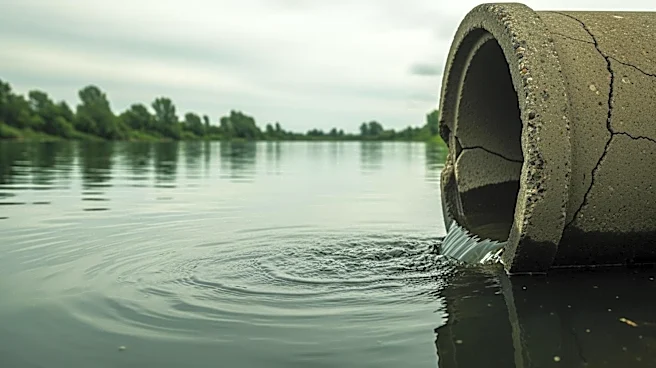
A major sewer line managed by D.C. Water failed in January, resulting in a significant spill of untreated wastewater into the Potomac River. The utility had planned to reinforce the aging section of the pipe years ago but faced repeated delays due to prolonged
environmental reviews by the National Park Service. These reviews were focused on potential impacts on local wildlife and vegetation, including a blue wildflower and an endangered bat species. Despite warnings from D.C. Water about the risk of catastrophic failure, the environmental assessment process extended beyond the federally mandated one-year timeline. The rupture released enough sewage to fill 364 Olympic-size swimming pools, causing an ecological disaster that scientists are still assessing.
Why It's Important?
The incident highlights the critical challenges in balancing infrastructure maintenance with environmental protection. The delay in repairs due to environmental assessments underscores the complexities of regulatory processes that can hinder timely infrastructure improvements. This spill not only poses a significant environmental threat but also raises questions about the efficiency of federal and local agencies in managing infrastructure projects. The failure to address the corrosion in the sewer line in a timely manner has resulted in one of the largest wastewater spills in U.S. history, impacting water quality and potentially affecting public health and local ecosystems.
What's Next?
D.C. Water has begun repairs on other sections of the Potomac Interceptor, but the process is expected to be lengthy. The utility is working on revising its environmental review to address the current situation and prevent future failures. The National Park Service and D.C. Water will need to collaborate more effectively to expedite necessary repairs while ensuring environmental protections. This incident may prompt a reevaluation of federal environmental review processes to prevent similar delays in critical infrastructure projects.
Beyond the Headlines
The spill raises broader questions about the sustainability of aging infrastructure in the U.S. and the need for comprehensive strategies to address such vulnerabilities. It also highlights the potential conflicts between environmental conservation and infrastructure development, necessitating a balanced approach that safeguards both ecological and public health interests. The incident could lead to increased scrutiny of infrastructure projects and push for reforms in environmental assessment procedures to ensure timely and effective maintenance of essential services.