





What's Happening?
Gasoline prices in the U.S. have increased by 22.4 cents, reaching an average of $4.089 per gallon. This rise follows a period where prices had decreased by 71.3 cents over seven weeks. The escalation is attributed to unresolved oil vessel traffic issues
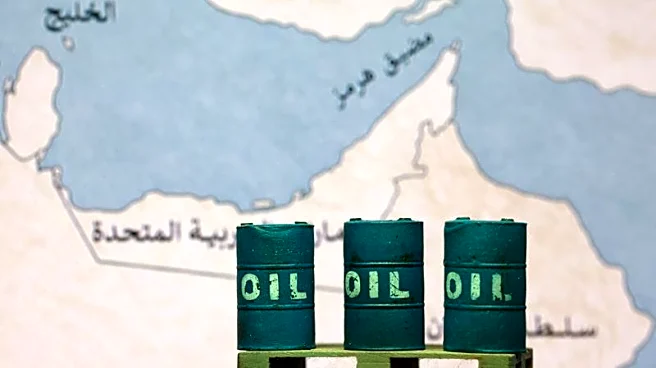
in the Strait of Hormuz, exacerbated by the U.S.-Iran conflict. The conflict has added $17.90 per barrel to the price of West Texas Intermediate crude oil. Despite refiners not fully passing on these costs, wholesale gasoline prices have increased significantly, reducing retail margins. Retailers are under pressure to raise prices to maintain viability, as the current retail margin is unsustainable.
Why It's Important?
The increase in gasoline prices has significant implications for the U.S. economy and consumers. Higher fuel costs can lead to increased transportation expenses, affecting the prices of goods and services. This situation can contribute to inflationary pressures, impacting consumer purchasing power and economic stability. The ongoing U.S.-Iran tensions and the strategic importance of the Strait of Hormuz highlight the geopolitical factors influencing global oil markets. The situation underscores the vulnerability of energy markets to geopolitical disruptions and the need for strategic responses to stabilize prices and ensure energy security.