
What's Happening?
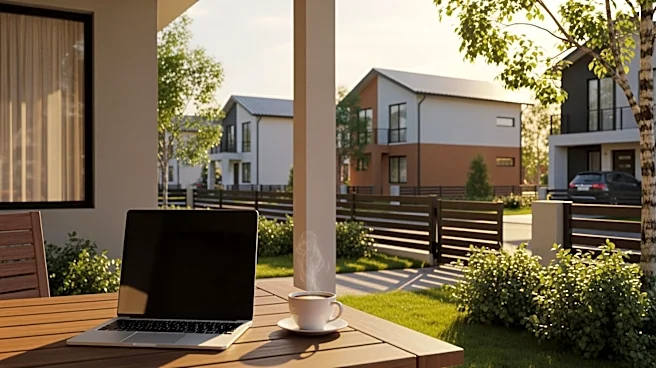
The rise of digital nomads is reshaping migration patterns in the U.S., with many Americans seeking lower costs of living, access to nature, and a different pace of life. Remote work has enabled a shift
from organizing lives around a single location to focusing on lifestyle preferences. Countries worldwide are now competing for digital nomads through visa programs, tax incentives, and relocation initiatives. Popular destinations include Portugal, Mexico, and Costa Rica, where people are building new versions of their lives with more flexibility and lower costs. According to Gallup, about a quarter of the workforce now operates remotely at least part of the time, a trend that began during the pandemic and has since evolved into a lasting structural shift.
Why It's Important?
This shift in migration patterns has significant implications for urban planning, economic development, and the real estate market. As more people leave expensive urban centers for smaller cities and international destinations, there is a growing demand for infrastructure that supports remote work. This trend also affects local economies, as regions that attract digital nomads may experience economic growth and diversification. Additionally, the rise of remote work challenges traditional business models and could lead to a more distributed workforce, impacting everything from office space demand to local tax revenues.
What's Next?
As the trend of remote work and digital nomadism continues, more countries and cities are likely to introduce policies and incentives to attract this new class of workers. This could include more flexible visa options, tax breaks, and investment in digital infrastructure. For businesses, adapting to a remote workforce may involve rethinking office space needs and employee engagement strategies. Meanwhile, regions that fail to attract remote workers may need to find alternative ways to stimulate economic growth.