






What's Happening?
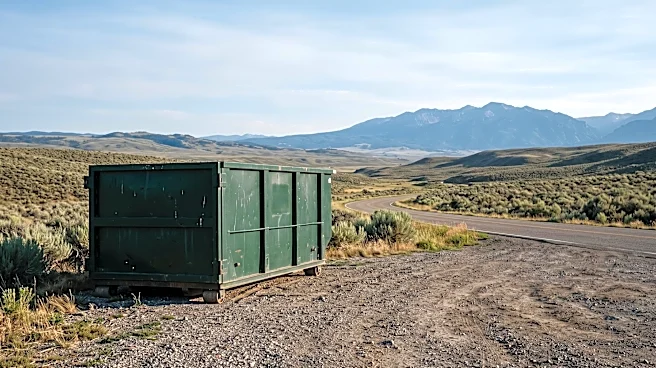
The Wyoming Game and Fish Department (WGFD) has expanded its big game carcass dumpster program, offering hunters more options for proper disposal this fall. This initiative aims to mitigate the environmental spread of chronic wasting disease (CWD), a fatal
neurological condition affecting deer, elk, and moose. The program, which provides free carcass dumpsters, has been bolstered by funding from the Wyoming Chapter of the Dallas Safari Club and the Gillette-based Wyoming Sportsman’s Group. These contributions have enabled the WGFD to introduce dumpsters in new communities, including Tensleep, Sundance, and Hulett, and extend the availability of existing locations. Hunters are reminded to use these facilities solely for carcasses and not for general garbage, with an interactive map available to locate disposal sites across the state. Carcasses are regularly collected by sanitation companies and transported to approved landfills, adhering to CWD disposal regulations.
Why It's Important?
The expansion of Wyoming's carcass disposal program is crucial for public health, wildlife management, and the state's hunting economy. CWD poses a significant threat to cervid populations, and its environmental persistence means improper disposal can lead to wider transmission, impacting both wild and potentially captive animals. By providing accessible and free disposal options, the WGFD is actively working to contain the disease, which is vital for maintaining healthy wildlife populations and ensuring the long-term sustainability of hunting in Wyoming. The financial support from conservation organizations underscores a collaborative effort between state agencies and private groups to address a critical wildlife health issue. This program not only helps prevent the spread of CWD but also educates hunters on responsible practices, reinforcing the importance of their role in conservation efforts. The success of this initiative could serve as a model for other states grappling with similar wildlife diseases.
What's Next?
The Wyoming Game and Fish Department plans to continue monitoring the effectiveness of the expanded carcass disposal program in reducing CWD transmission. The department will likely assess participation rates and the impact on disease prevalence in affected areas. Further collaboration with conservation groups and local communities may lead to additional expansions or modifications of the program in future hunting seasons. Educational campaigns will likely continue to inform hunters about proper disposal methods and the risks associated with CWD. The WGFD may also explore new technologies or strategies for CWD detection and management, building on the success of this disposal initiative. The ongoing partnership with organizations like the Dallas Safari Club and the Wyoming Sportsman’s Group will be key to sustaining and growing these efforts.
Beyond the Headlines
Beyond the immediate goal of CWD mitigation, this program highlights the complex interplay between human activities, wildlife health, and environmental stewardship. The funding from private conservation groups demonstrates a growing recognition of shared responsibility in managing natural resources and addressing ecological challenges. This initiative also touches upon the broader ethical considerations of hunting, emphasizing responsible practices that extend beyond the harvest itself to include post-harvest management. The program's success could foster greater trust and cooperation between hunters, conservationists, and state agencies, creating a more unified approach to wildlife management. Furthermore, it underscores the economic value of hunting to Wyoming, as healthy wildlife populations are essential for the state's tourism and outdoor recreation sectors. The long-term implications could include enhanced public awareness of wildlife diseases and a more integrated approach to conservation that involves diverse stakeholders.