



What's Happening?
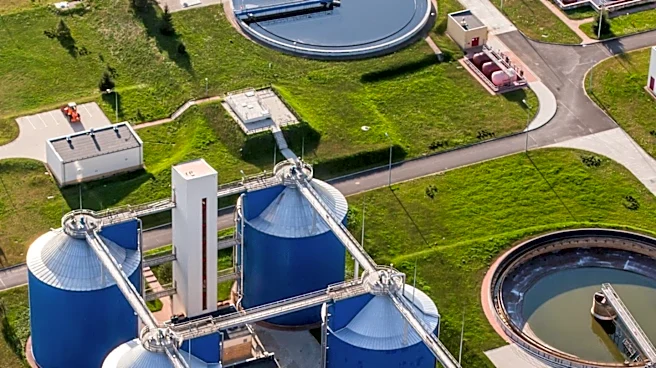
Recent reports have emerged of cyber attacks targeting water systems across multiple U.S. states, raising concerns about the security of critical infrastructure. While the specific perpetrators have not been officially identified, Iranian-affiliated cyber actors
are considered potential suspects. These attacks have not resulted in contamination of drinking water, but they demonstrate the capability and intent of malicious actors to compromise essential public infrastructure. The incidents align with long-standing warnings from national security experts about the vulnerabilities of civilian infrastructure to cyber threats.
Why It's Important?
The attacks underscore the critical need for enhanced cybersecurity measures to protect vital infrastructure such as water systems, which are integral to public health and safety. These systems are often less defended compared to military targets, making them attractive targets for adversaries seeking strategic advantages. The potential disruption of water services could have cascading effects on other critical services, including healthcare and emergency response, highlighting the importance of resilience and preparedness in cybersecurity strategies.
What's Next?
In response to these threats, there may be increased investment in cybersecurity for critical infrastructure, including the adoption of more robust security protocols and technologies. Government agencies and private sector partners are likely to collaborate more closely to enhance the resilience of essential services. Additionally, there may be a push for legislative and regulatory measures to ensure that infrastructure operators implement adequate cybersecurity defenses.