




What's Happening?
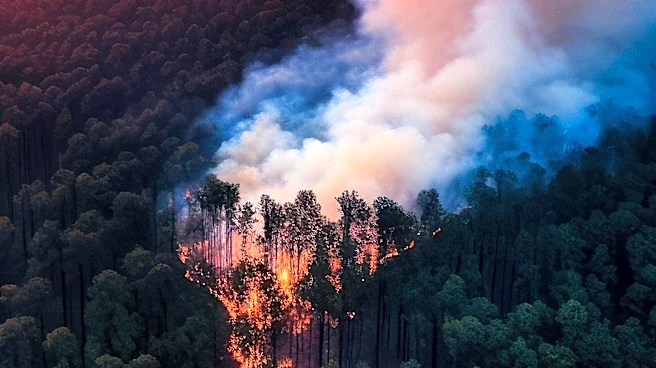
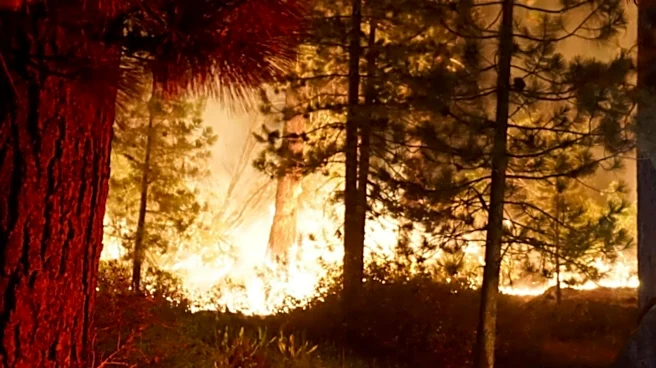
More than 80% of wildfires responded to by the Idaho Department of Lands (IDL) this year have been human-caused, according to Director Dustin Miller. Miller presented this figure to the Idaho Legislature’s Natural Resources Interim Committee in Boise.
This trend of human-caused fires is not new, as Miller also reported a spike in such incidents in 2023. As of the end of September, approximately 10,000 acres of land under IDL protection have burned. The total wildfire costs for the state reached over $47 million by the end of September, with an estimated $19.8 million potentially reimbursable from partner agencies. Miller detailed various causes of these human-ignited fires, including uncontrolled debris burning, sparks from chains or metal equipment, discarded cigarette butts, and unextinguished campfires. The high percentage of human-caused fires has prompted legislators to question the state's efforts to recoup costs from responsible parties and consider stronger deterrents.
Why It's Important?
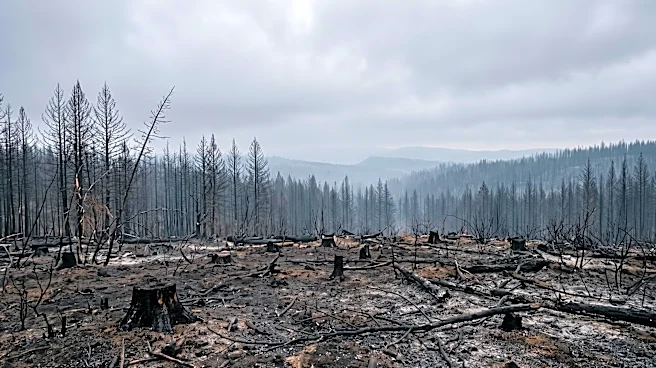
The prevalence of human-caused wildfires in Idaho carries significant implications for the state's finances, environment, and public safety. The substantial costs, exceeding $47 million this year, place a burden on taxpayers, even with potential reimbursements. Beyond financial strain, these fires endanger firefighters and residents, destroy property, and burn state endowment timber lands, which are crucial for funding public schools and other beneficiaries. The long-term effects include rehabilitation and recovery expenses, as well as ecological damage. The repeated occurrence of human-caused fires highlights a critical need for more effective prevention strategies and public awareness campaigns. The discussion among legislators about recouping costs and implementing stronger penalties underscores the growing recognition of the economic and environmental toll of these preventable incidents, emphasizing the need for individual accountability in wildfire prevention.
What's Next?
The Idaho Department of Lands will continue its efforts to investigate the causes of all wildfires and seek to recoup suppression costs from individuals or groups deemed negligent. While the recovery process can be lengthy and sometimes results in settlements for less than the full cost, the IDL aims to maximize returns to taxpayers. Legislators are likely to continue exploring options for stronger penalties and more robust prevention programs to deter human-caused fires. Director Miller's team is currently calculating the wildfire funding estimate for the upcoming year, which will inform future budgetary allocations and strategic planning for fire management. Public awareness campaigns focusing on responsible outdoor practices and adherence to fire restrictions are also anticipated to be a key component of future prevention efforts, aiming to reduce the 80% human-caused fire statistic.
Beyond the Headlines
The high incidence of human-caused wildfires in Idaho points to a deeper societal challenge regarding environmental responsibility and risk perception. The fact that over 80% of fires are preventable suggests a gap in public education, enforcement, or both. This situation raises ethical questions about individual accountability for widespread environmental damage and public expenditure. The long-term shifts could include more stringent regulations on outdoor activities, increased surveillance in high-risk areas, and potentially higher insurance premiums for properties in fire-prone regions. Culturally, it may necessitate a shift towards a greater collective understanding of the impact of seemingly minor actions, like discarding a cigarette, on the broader ecosystem and community safety. The ongoing financial and environmental strain could also spur innovation in fire prevention technologies and community-based resilience programs.