







What's Happening?
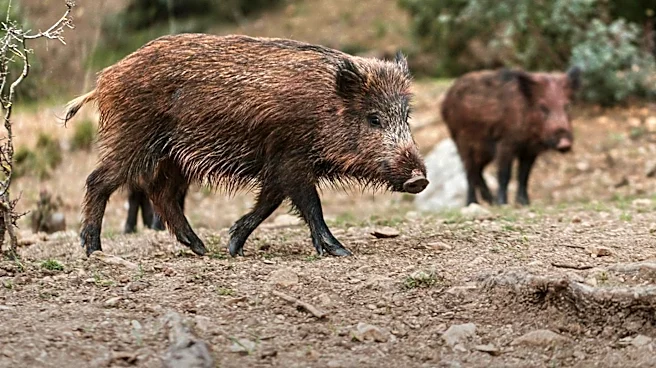
New Hampshire experienced its largest white-tailed deer harvest in nearly a century in 2025, with 14,387 deer taken by hunters. This success is partly attributed to the increased use of archery and muzzleloader hunting methods, which benefit from longer
or earlier seasons compared to modern rifle hunting. The rifle season for deer is scheduled from November 11 to December 6. The number of hunting licenses sold in New Hampshire has remained stable over the past decade, with almost 30,000 licenses issued by August 1, 2026, which is about 1,000 more than pre-COVID-19 levels for the same period. This stability marks an end to a previous decline in license sales from the early 1990s to the early 2010s. The state's deer population is estimated at 100,000, with a surplus in the southeast region, leading to special antlerless permits being issued on a first-come, first-served basis. Notably, chronic wasting disease has not been detected in New Hampshire, though strict rules on carcass movement are in place.
Why It's Important?
The sustained interest in deer hunting in New Hampshire, evidenced by stable license sales and record harvests, indicates the continued cultural and recreational significance of hunting in the state. This trend supports the state's Fish and Game department through license revenue, which often funds wildlife management and conservation efforts. The increased harvest numbers also play a role in managing deer populations, particularly in areas with a surplus, which can mitigate issues like property damage from deer browsing and reduce deer-vehicle collisions. The absence of chronic wasting disease is crucial for both wildlife health and the hunting industry, as an outbreak could devastate deer populations and deter hunters. The shift towards archery and muzzleloader hunting also highlights evolving hunting practices and preferences among participants.
What's Next?
The rifle season for deer is currently underway, expected to attract a significant number of hunters, potentially leading to further increases in the overall harvest for the year. If past patterns hold, nearly 50,000 hunting licenses may be sold by the end of the year as many hunters purchase permits closer to the deer season. New Hampshire Fish and Game will continue to monitor deer populations and hunting success rates to inform future management strategies, including the issuance of special permits in areas with high deer density. Ongoing vigilance and adherence to regulations regarding chronic wasting disease will remain a priority to prevent its introduction and spread within the state's deer population.
Beyond the Headlines
The stability in hunting license sales, particularly after a period of decline and a bump during the pandemic, suggests a potential resurgence or sustained interest in outdoor recreational activities. This could reflect broader societal trends where individuals seek more engagement with nature and traditional pastimes. The demographic breakdown, with approximately 90% of licenses sold to men nationally, points to a persistent gender gap in hunting participation, which could be an area for future outreach and diversification efforts. The success of managing deer populations through hunting also underscores the complex relationship between human activity, wildlife conservation, and ecological balance in increasingly suburbanized landscapes.