






What's Happening?
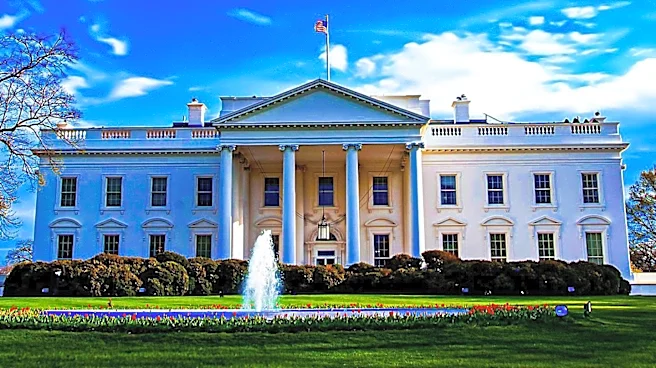
In a significant move towards responsible artificial intelligence governance, leading AI companies such as Google, OpenAI, and Meta have engaged in confidential discussions with the White House. These talks aim to establish voluntary safety guidelines
for AI model testing. The initiative marks a pivotal moment in AI governance, as the U.S. seeks to take a leadership role in setting standards for AI safety and ethics. The discussions are part of a broader effort to address the challenges posed by rapidly advancing AI technologies, including issues of compliance and global cooperation.
Why It's Important?
The development of voluntary safety guidelines for AI is crucial as it positions the United States as a leader in responsible AI governance. These guidelines are expected to shape the safety and ethical trajectory of AI technologies, influencing the geopolitical balance of technological power. The initiative also highlights the need for collaboration between the public and private sectors to ensure that AI advancements are aligned with ethical standards and public safety. However, the voluntary nature of these guidelines raises concerns about enforceability and the potential for prioritizing U.S.-centric interests over global collaboration.
What's Next?
In the coming months, it is anticipated that the U.S. government will transition from voluntary guidelines to more enforceable standards, especially as public scrutiny around AI safety intensifies. These initial talks are expected to lay the groundwork for a framework of international AI cooperation, potentially led by the U.S. with support from allies in Europe and Asia. The effectiveness of these efforts will depend on the ability to balance innovation with regulation, a challenge that requires unprecedented collaboration between the public and private sectors.
Beyond the Headlines
The discussions underscore the urgency of establishing clear guidelines as AI systems become more powerful. The U.S. faces competition from China, which is advancing its AI capabilities with fewer ethical and regulatory constraints. If the U.S. fails to establish credible safeguards, it risks losing global AI leadership and public trust in the technology. The talks are not just about safety protocols but also about setting the tone for a broader geopolitical contest in AI leadership and ethical accountability.