
What's Happening?
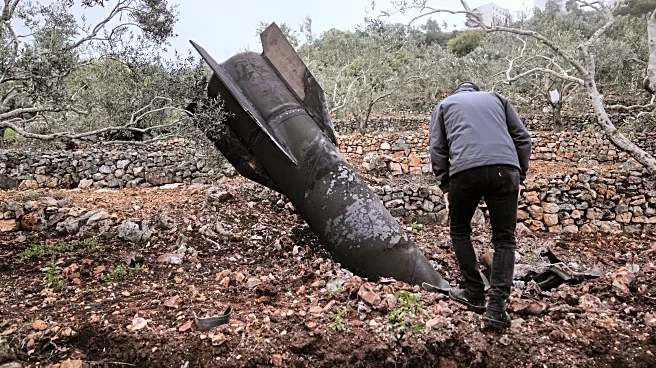
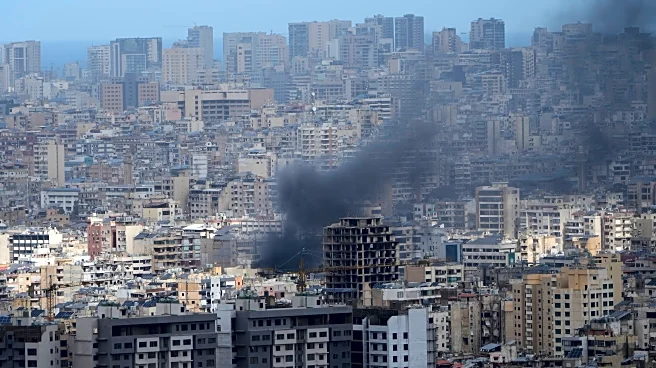
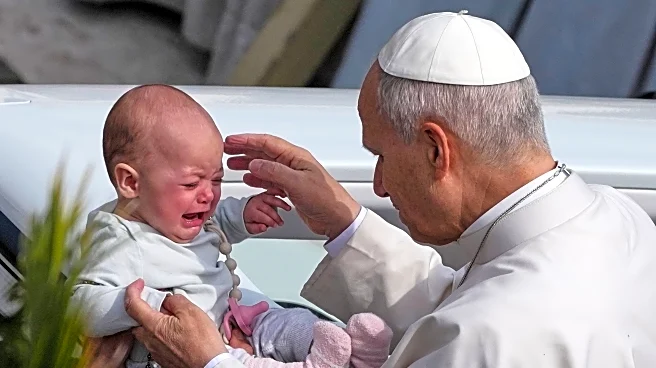
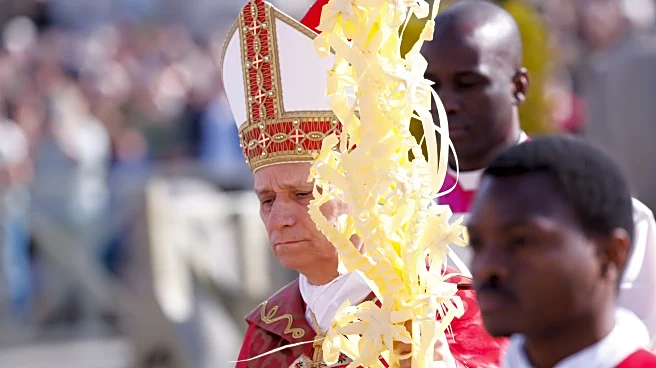
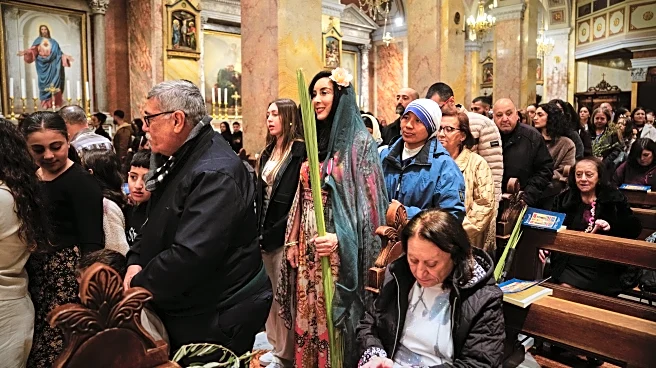
Pope Leo delivered a powerful message during Palm Sunday celebrations at St. Peter’s Square, condemning the ongoing war in Iran. As the conflict entered its second month, the Pope criticized leaders who initiate wars, stating that God rejects their prayers
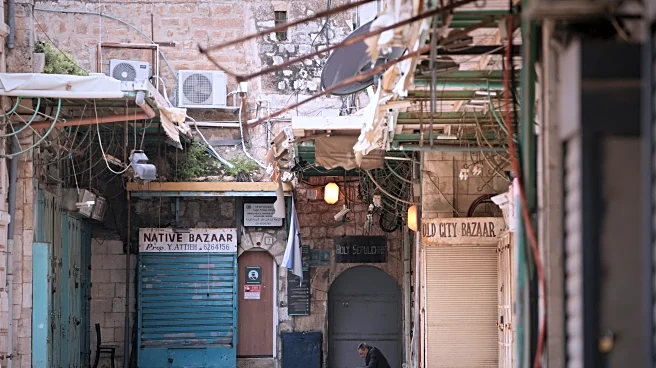
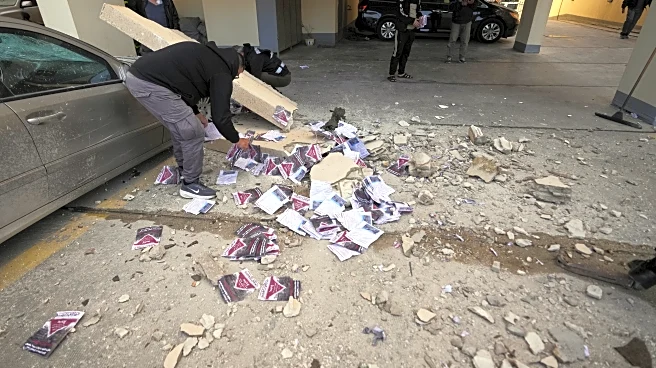
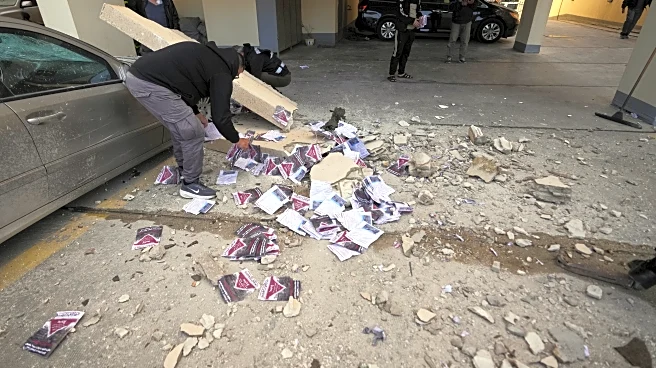
due to their 'hands full of blood.' He emphasized that Jesus, known as the King of Peace, cannot be used to justify war, highlighting the gentle nature of God who rejects violence. The Pope's remarks come amid increasing criticism of the Iran war, which began with joint US-Israeli strikes. He called for an immediate ceasefire and criticized indiscriminate military airstrikes, expressing concern for Christians in the Middle East who may not be able to celebrate Easter due to the conflict.
Why It's Important?
Pope Leo's condemnation of the Iran war is significant as it challenges the moral justification used by some leaders to support military actions. His call for peace and rejection of violence aligns with the broader Catholic doctrine, potentially influencing public opinion and diplomatic efforts. The Pope's stance may pressure political leaders to reconsider their strategies and seek peaceful resolutions. Additionally, his message highlights the humanitarian impact of the conflict, drawing attention to the suffering of civilians and the disruption of religious practices in the region. This could lead to increased advocacy for humanitarian aid and support for affected communities.
What's Next?
The Pope's call for peace may prompt discussions among international leaders and religious groups about the ethical implications of the Iran war. There could be increased diplomatic efforts to negotiate a ceasefire and address the humanitarian crisis. Religious leaders and organizations might amplify the Pope's message, advocating for non-violent solutions and supporting affected populations. The Vatican may continue to engage in diplomatic dialogues, urging world leaders to prioritize peace and stability in the region.
Beyond the Headlines
Pope Leo's remarks reflect a broader ethical debate about the use of religious rhetoric in justifying military actions. His condemnation challenges the narrative that aligns religious beliefs with warfare, promoting a vision of peace and non-violence. This could influence cultural perceptions of war and peace, encouraging a shift towards diplomatic and humanitarian approaches. The Pope's message also underscores the role of religious leaders in shaping public discourse and advocating for ethical governance.