



What's Happening?
Korean-born adoptees in the U.S. and globally are advocating for access to their unredacted birth records and the establishment of an independent governing body to manage these files. This movement follows South Korea's recent acknowledgment of its role
in enabling private adoption agencies to facilitate the 'mass export' of Korean children, sometimes without the consent of birth families. Oh Myo Kim, a professor at Boston College and founder of the Emergency Action for Records Storage, highlights the systemic roadblocks adoptees face in obtaining information, often being told files are confidential or that photographs, the only images of birth families, are discarded. The records, initially slated for a freezing storage center, are now being moved to the National Archives after protests, marking the second relocation. Adoptees report receiving inconsistent information regarding what data will be preserved, with some agency workers admitting to discarding photographs not considered part of official adoption records. This situation underscores the ongoing struggle for adoptees to understand their identities and connect with their biological origins.
Why It's Important?
This issue is significant for U.S. society due to the large number of Korean adoptees residing in the country, many of whom are grappling with incomplete or falsified personal histories. The lack of access to unredacted records and the absence of a transparent, independent body to manage these files create profound challenges for individuals seeking to understand their heritage, medical history, and biological families. The South Korean government's acknowledgment of past wrongdoings, including the manipulation or erasure of vital information, has brought to light the ethical complexities and long-term impacts of international adoption practices. For adoptees, this means a continued struggle for identity and belonging, often feeling a disconnect from both their birth culture and their adoptive Western societies. The demand for unredacted files and independent oversight is a call for justice and transparency, aiming to rectify historical injustices and provide adoptees with fundamental human rights to their own personal information. The outcome of these efforts could set a precedent for how other countries handle international adoption records and accountability.
What's Next?
Adoptee advocates, including Oh Myo Kim, will continue to press the South Korean government for action beyond apologies. Key demands include the commitment to unredact all files, providing adoptees with complete information to conduct searches, and the establishment of an independent governing body to oversee these records. This body would ensure consistent policies regarding record retention and access, addressing concerns about information being discarded or withheld. The ongoing relocation of files to the National Archives will be closely monitored by adoptee groups to ensure proper preservation and eventual accessibility. The movement also seeks to raise broader awareness about the complex realities of international adoption, challenging the often-altruistic narrative and highlighting the need for systemic reforms to protect the rights and identities of adoptees. Future actions may involve continued lobbying efforts, public awareness campaigns, and potentially legal challenges to secure these rights.
Beyond the Headlines
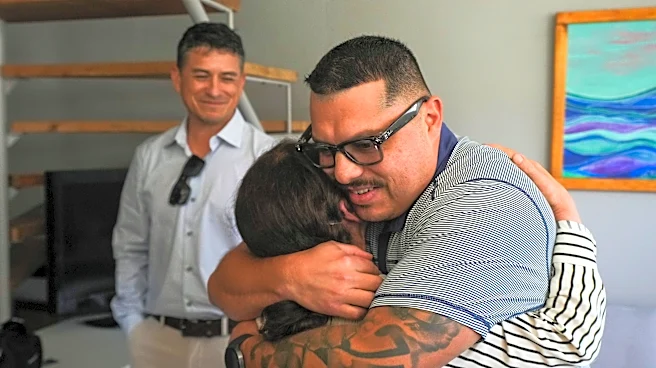
The struggle of Korean adoptees for their records delves into deeper ethical and cultural implications surrounding identity, belonging, and the commodification of children in international adoption. The term 'reunion porn' highlights a societal tendency to romanticize reunions while overlooking the profound trauma and identity struggles many adoptees face. The experience of growing up in white Western societies, often with a narrative of being 'saved,' can deeply impact an adoptee's sense of self, leading to a lifelong quest for understanding their origins. The falsification of documents and the lack of transparency in adoption processes raise questions about the ethics of past practices and the responsibility of governments and agencies. This situation also underscores the importance of personal narrative and the right to one's own history, revealing how the absence of such information can create a 'systemic roadblock' to self-discovery and healing. The movement for unredacted files is not just about paperwork; it's about reclaiming a fundamental part of one's identity and challenging a system that historically prioritized convenience over the well-being and rights of adopted individuals.