
What's Happening?
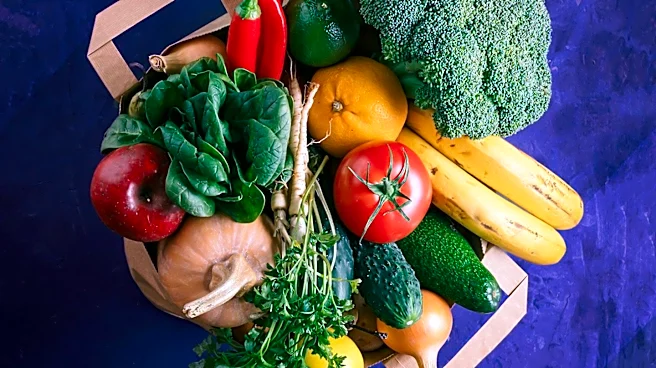
In Palm Desert, California, soaring temperatures reaching 115-120 degrees Fahrenheit have led to increased reliance on grocery delivery services. However, the extreme heat poses significant risks to the safety
of perishable food items left outside. Dr. William Woo, Assistant Chief of Family Medicine at Kaiser Permanente, warns that relying on sensory cues like smell or appearance is insufficient to determine food safety in such conditions. He emphasizes that perishable items, including meat, fish, and dairy, can become unsafe in as little as one hour due to rapid bacterial growth. Customers have adapted by altering their shopping habits, such as using freezer bags for cold items and picking up certain groceries themselves to ensure safety.
Why It's Important?
The situation highlights the challenges faced by consumers and delivery services in maintaining food safety during extreme weather conditions. With the growing popularity of grocery delivery, especially in hot climates, there is an increased risk of foodborne illnesses caused by bacteria like salmonella and E.coli. This issue underscores the need for improved delivery protocols and consumer awareness to prevent health risks. The economic implications are also significant, as businesses may need to invest in better packaging solutions or adjust delivery schedules to mitigate these risks, potentially affecting operational costs and pricing strategies.
What's Next?
As temperatures continue to rise, it is likely that both consumers and delivery services will need to adopt more stringent measures to ensure food safety. This could include innovations in packaging technology, such as insulated containers, or changes in delivery logistics to minimize the time groceries spend outside. Additionally, public health advisories and guidelines may be updated to address these specific challenges, providing consumers with better information on how to handle deliveries safely during extreme heat.