




What's Happening?
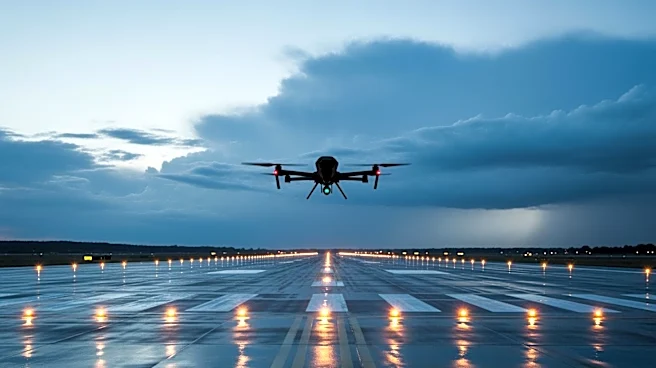
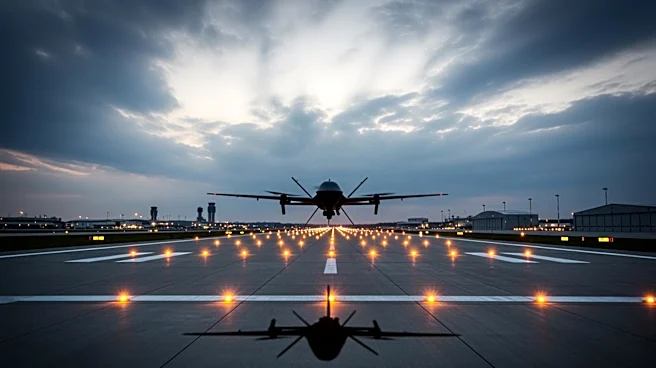
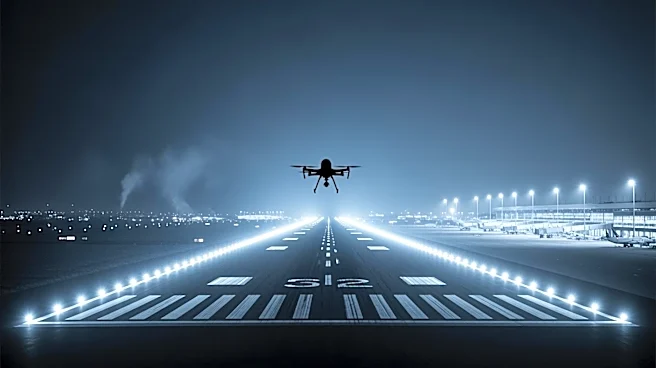
Kuwait has accused Iran of launching a significant attack involving ballistic missiles and drones, targeting Kuwait International Airport. The assault resulted in the death of an Indian national and injuries to at least 63 others. This incident marks
one of the most substantial strikes on a Gulf nation since a cease-fire between the U.S. and Iran took effect in April. Kuwait's defense ministry has labeled the attack as 'criminal Iranian aggression.' The attack underscores ongoing tensions in the region as talks between the United States and Iran on a long-term peace agreement remain unresolved.
Why It's Important?
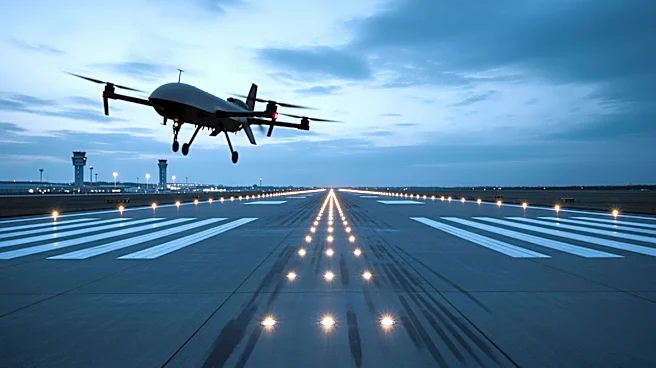
The attack on Kuwait International Airport highlights the fragile security situation in the Gulf region and the potential for escalation between Iran and its neighbors. Such incidents can have significant implications for regional stability and international relations, particularly as they occur amidst ongoing diplomatic efforts to reach a peace agreement. The attack also raises concerns about the safety of international travel and the security of critical infrastructure in the region. The involvement of drones in the attack reflects the evolving nature of warfare and the increasing use of unmanned aerial vehicles in military conflicts.
What's Next?
In response to the attack, Kuwait and its allies may seek to strengthen their defense capabilities and enhance security measures at critical infrastructure sites. The incident could also prompt renewed diplomatic efforts to address regional tensions and prevent further escalation. The international community, including the United States, may increase pressure on Iran to engage in constructive dialogue and adhere to international norms. Additionally, there may be calls for increased cooperation among Gulf nations to address shared security challenges and prevent similar attacks in the future.