





What's Happening?
The World Economic Forum (WEF), in collaboration with Frontiers, has released a report titled 'Top 10 Emerging Technologies for Planetary Health: Energy Edition.' This report identifies ten key technologies poised to reshape the global energy sector by
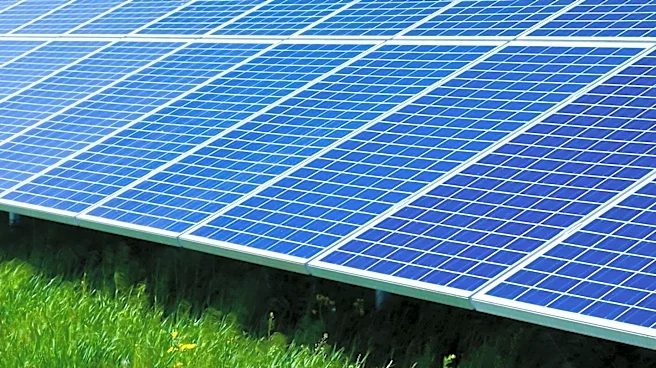
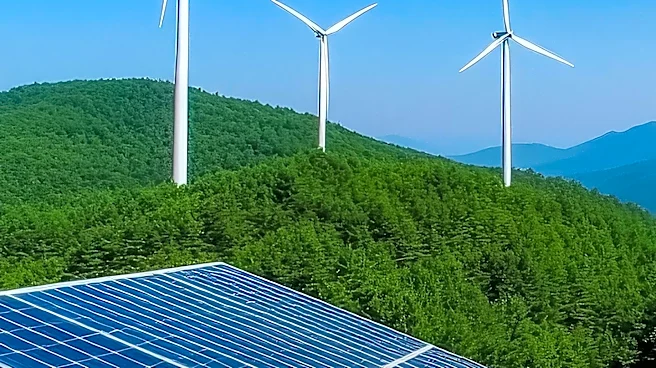
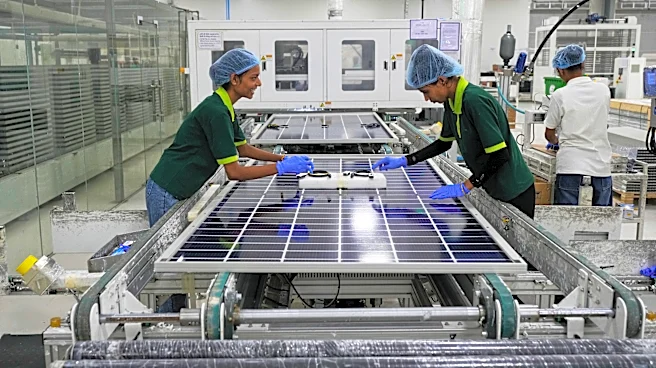
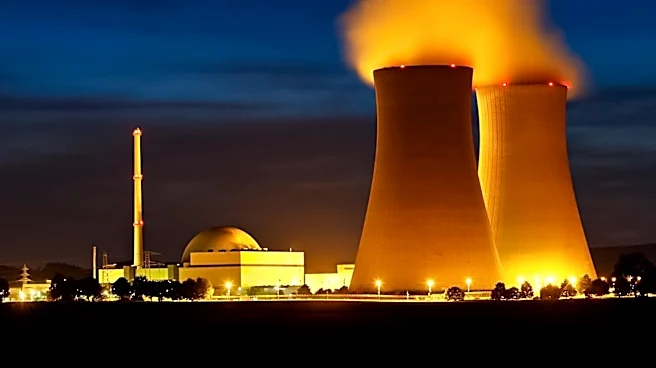
2030. These innovations aim to support cleaner power generation, enhance energy security, and build more resilient electricity systems. The identified technologies include calcined-clay limestone cement (LC3), virtual power plants and grids, batteries made from abundant materials, thermal energy storage, perovskite-silicon tandem solar cells, advanced subsea high-voltage direct current (HVDC) interconnectors, modular nuclear reactors, building-integrated photovoltaics, floating offshore wind, and next-generation lithium batteries. These technologies are presented as solutions to increasing global energy demand, supply chain vulnerabilities, and the strain placed on infrastructure by extreme weather events. The report emphasizes the importance of integrating these innovations rather than deploying them in isolation to maximize their impact on generating, transporting, and storing electricity efficiently.
Why It's Important?
The WEF's identification of these emerging technologies is crucial for the U.S. energy sector as it navigates the transition towards more sustainable and secure energy systems. The U.S. faces similar challenges to the global energy landscape, including rising demand from electric vehicles and data centers, volatile energy prices, and the impact of climate change on infrastructure. The adoption and integration of these technologies could significantly bolster U.S. energy independence and reduce its carbon footprint. For instance, advancements in battery technology and thermal energy storage could enhance grid stability and reliability, while modular nuclear reactors offer a pathway to cleaner, scalable power generation. U.S. businesses and research institutions involved in renewable energy, grid infrastructure, and advanced materials stand to benefit from increased investment and development in these areas. Conversely, traditional fossil fuel industries may face continued pressure to adapt or diversify as these cleaner technologies gain traction and market share.
What's Next?
The report stresses the need for accelerated commercial deployment of these emerging technologies and strengthened collaboration among researchers, businesses, and governments. For the U.S., this implies a potential increase in public and private sector investment in research and development, as well as policy initiatives designed to incentivize the adoption of these innovations. Stakeholders, including energy companies, technology developers, and policymakers, will likely focus on creating frameworks that facilitate the integration of these diverse technologies into existing energy infrastructure. This could involve updating grid regulations, providing grants for pilot projects, and fostering international partnerships to share knowledge and best practices. The coming years will likely see a push for these technologies to move from laboratory settings to widespread commercial application, with a focus on scalability and affordability to ensure broad accessibility and impact.
Beyond the Headlines
Beyond the immediate technological advancements, the WEF's report highlights a deeper shift in how energy systems are conceived and managed. The emphasis on integration suggests a move away from siloed energy solutions towards a more holistic, interconnected approach. This could lead to the development of 'smart' energy ecosystems where generation, transmission, and storage are dynamically managed to optimize efficiency and resilience. Ethically, the focus on 'abundant materials' for batteries and scalable solutions addresses concerns about resource scarcity and equitable access to clean energy, aiming to prevent new forms of energy inequality. Legally, the deployment of these technologies may necessitate new regulatory frameworks to govern virtual power plants, advanced grid interconnectors, and modular nuclear safety. Culturally, a successful transition could foster greater public acceptance of diverse energy sources and a more proactive engagement with energy consumption, driven by the benefits of cleaner air and more stable energy supplies.