





What's Happening?
The United Nations Development Programme (UNDP) is actively seeking a Mental Health and Psychosocial Support (MHPSS) Analyst for a national position in Ukraine. This role is crucial for supporting the design, implementation, coordination, and monitoring
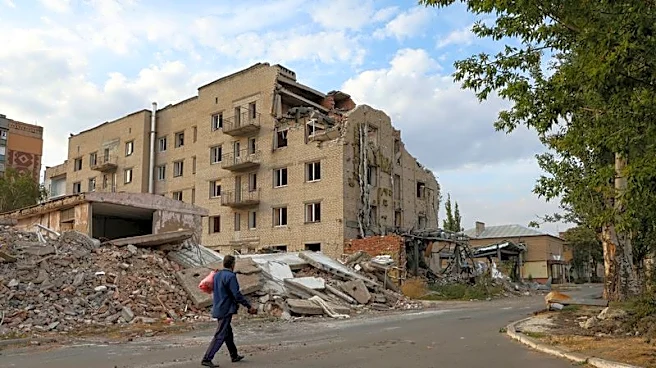
of MHPSS initiatives under the Area-Based Recovery (ABR) Framework. The ABR Framework, developed in response to the ongoing hostilities since 2014 and the full-scale invasion in 2022, focuses on community recovery and creating conditions for a return to a development pathway in Ukraine. The MHPSS Analyst will specifically work on strengthening community-based MHPSS systems and services, providing technical inputs for strategies, concepts, and project documents, and integrating MHPSS considerations into various ABR interventions such such as community recovery, social services, healthcare, and veteran reintegration. The position requires collaboration with local authorities, healthcare providers, and civil society organizations to ensure effective implementation and coordination of MHPSS activities.
Why It's Important?
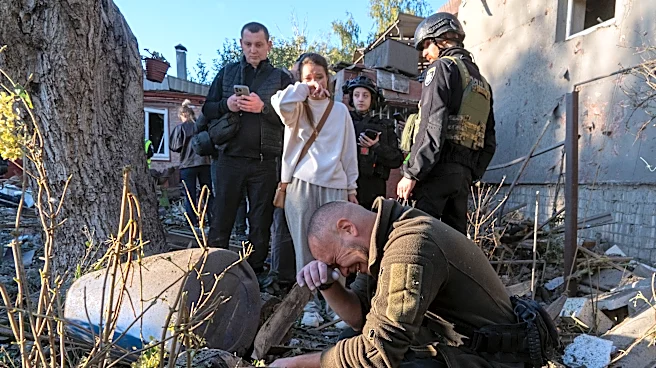
This initiative by the UNDP underscores the critical importance of addressing mental health and psychosocial well-being in post-conflict recovery and development. The prolonged conflict in Ukraine has undoubtedly had a profound impact on the mental health of its population, necessitating robust support systems. By focusing on community-based MHPSS, the UNDP aims to build sustainable and accessible services that can cater to the immediate and long-term needs of affected communities. This effort is vital for fostering social cohesion, enabling individuals to cope with trauma, and facilitating their reintegration into society. A strong MHPSS framework is not only a humanitarian imperative but also a foundational element for broader economic and social recovery, as a mentally healthy population is better equipped to participate in reconstruction efforts and contribute to national development. The success of this program could serve as a model for other conflict-affected regions globally.
What's Next?
The immediate next step is the successful recruitment of a qualified MHPSS Analyst to lead these critical initiatives. Once appointed, the analyst will be tasked with providing technical support to projects aimed at assessing and strengthening MHPSS systems at the community level. This will involve conducting community-level assessments to identify needs, service gaps, and barriers to access, as well as supporting the planning and implementation of initiatives to strengthen referral pathways and intersectoral coordination. The analyst will also be responsible for monitoring implementation progress, reviewing deliverables from partners, and contributing to program-level reporting. Furthermore, the role includes supporting capacity-development activities such as trainings and workshops, and documenting lessons learned to inform future MHPSS interventions. The ongoing collaboration with local authorities and civil society organizations will be crucial for the sustained impact of these efforts.
Beyond the Headlines
The UNDP's focus on mental health in Ukraine highlights a growing recognition within international development and humanitarian aid of the long-term psychological toll of conflict. Beyond immediate physical reconstruction, the rebuilding of societal well-being is paramount. This initiative touches upon the ethical responsibility of international bodies to support holistic recovery, acknowledging that trauma and stress can impede development for generations if not adequately addressed. It also signals a shift towards more integrated approaches where mental health is not an afterthought but a core component of humanitarian response and development programming. The emphasis on community-based solutions reflects a commitment to empowering local structures and ensuring cultural relevance, which is essential for the sustainability and effectiveness of MHPSS interventions. This approach could set a precedent for how future post-conflict recovery efforts prioritize and integrate mental health support.