










What's Happening?
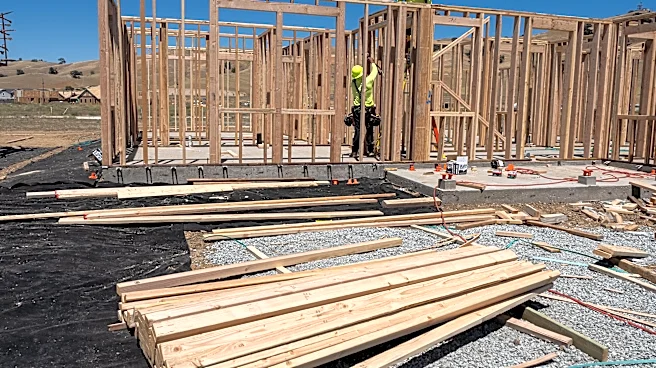
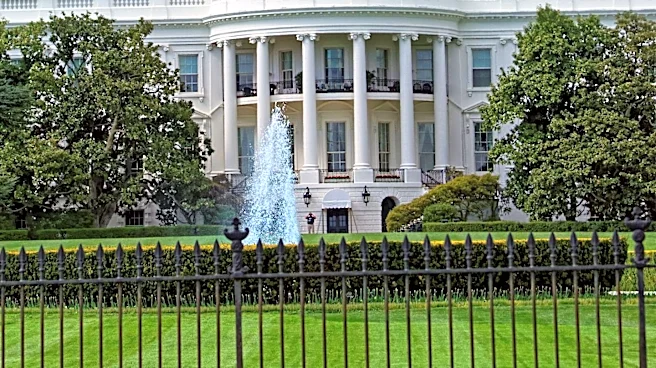
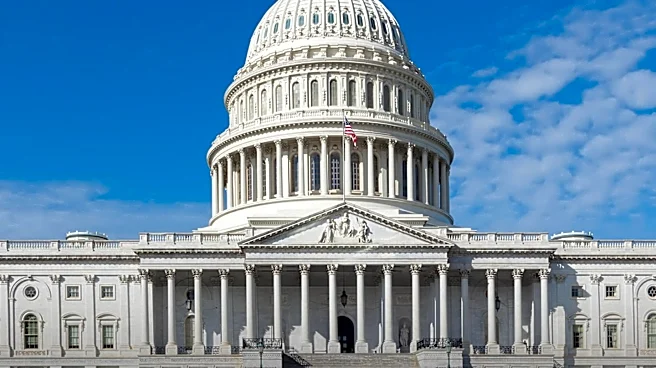
The U.S. Congress has passed the 21st Century ROAD to Housing Act, a significant piece of legislation aimed at addressing the housing crisis by making it easier to build homes. The law, which became effective after President Trump chose not to veto it,
ties federal block-grant money to housing development results, incentivizing cities to increase housing supply. It also streamlines federal environmental reviews and removes outdated regulations that hinder affordable housing development. This bipartisan effort reflects a growing consensus on the need to tackle housing scarcity by reducing regulatory barriers.
Why It's Important?
The ROAD Act represents a major shift in federal housing policy, acknowledging that housing scarcity is a critical issue affecting economic growth and social stability. By incentivizing cities to build more homes, the law aims to alleviate the burden of high housing costs on American families, which has been a significant factor in economic inequality. The legislation's focus on reducing regulatory hurdles could lead to increased housing supply, potentially stabilizing or reducing housing costs over time. This approach aligns with the YIMBY (Yes In My Backyard) movement, which advocates for more housing development to meet demand.
What's Next?
While the ROAD Act sets the stage for increased housing development, its success will depend on local governments' willingness to embrace the incentives and make necessary zoning changes. The law's impact will be closely monitored, with potential adjustments needed to address any unforeseen challenges. Stakeholders, including housing advocates and local governments, will play a crucial role in implementing the law's provisions effectively. The federal government may also consider additional measures to further support housing affordability and address related issues such as homelessness.