






What's Happening?
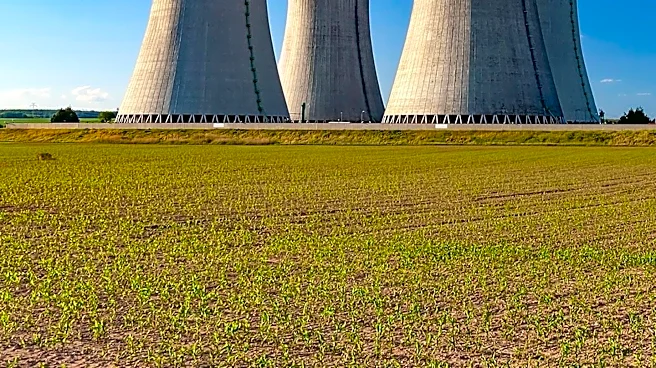
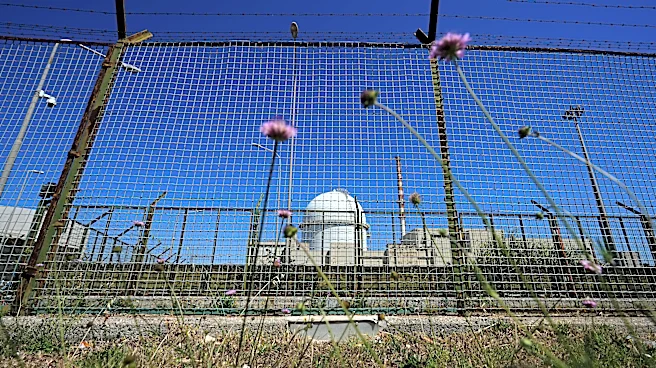
The Paks nuclear power plant in Hungary and the Cernavoda plant in Romania are facing shutdowns due to record-low water levels in the Danube River. The Hungarian operator, Magyar Villamos Művek, announced that the Paks plant will be fully shut down within
72 hours as the water level is 28 centimeters below the previous record. Romania's Cernavoda has already shut down one of its two units. The low water levels affect the cooling systems of these plants, necessitating shutdowns to maintain safety.
Why It's Important?
The shutdowns highlight the vulnerability of nuclear power plants to environmental changes, particularly those reliant on river water for cooling. This situation underscores the broader impacts of climate change on energy infrastructure, potentially leading to increased operational costs and energy shortages. It also raises questions about the sustainability and resilience of current energy systems in the face of environmental challenges. Policymakers and energy companies may need to consider alternative cooling solutions or diversify energy sources to mitigate such risks.
What's Next?
Both Hungary and Romania will need to address the immediate energy shortfall caused by the shutdowns. Long-term, these countries may explore infrastructure adaptations or alternative energy sources to reduce dependency on river water for cooling. The situation may prompt broader discussions on energy policy and climate adaptation strategies within the European Union.