








What's Happening?
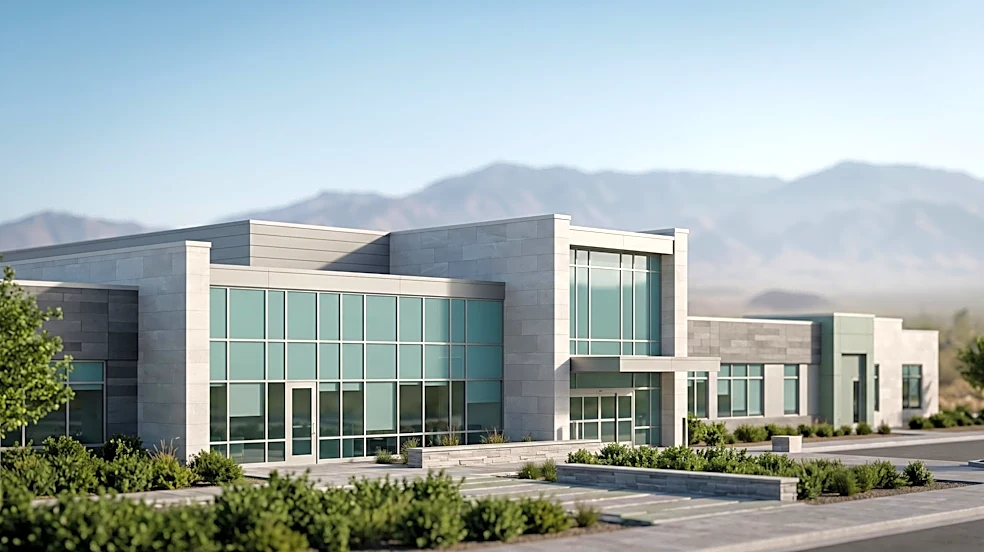
Intermountain Health has inaugurated a new 48,000-square-foot specialty clinic and cancer center in Saratoga Springs, Utah. This facility integrates cardiology, oncology, pediatrics, and other specialized medical services onto a single campus that previously
housed emergency services and a surgery center. The aim of this expansion is to provide comprehensive cancer treatment and specialty care closer to home for residents of Saratoga Springs, Eagle Mountain, Lehi, and surrounding communities. Previously, these residents often had to travel to American Fork or Salt Lake Valley for similar medical appointments. The new cancer center offers medical oncology, radiation oncology, infusion therapy, survivorship support, and advanced radiation treatments, including chemotherapy, immunotherapy, and targeted therapy. Additionally, it provides hematology, genetic counseling, high-risk prevention, nutrition, and palliative care services. The specialty clinic portion of the campus includes cardiology, gastroenterology, orthopedics and sports medicine, women's health, and pediatrics, facilitating collaborative care among providers.
Why It's Important?
This new facility is significant for several reasons, primarily addressing the growing healthcare needs of one of Utah's fastest-growing regions. By bringing advanced medical services closer to home, Intermountain Health aims to reduce barriers to care, such as extensive travel times, which can be particularly burdensome for cancer patients undergoing frequent treatments. This localized approach allows patients to maintain closer ties to their families, work, and daily lives, improving their overall well-being during treatment. The integration of multiple specialties under one roof also promotes coordinated care, making it easier for patients to access various services and for medical professionals to collaborate on treatment plans. This expansion reflects a broader trend in healthcare to decentralize specialized services, enhancing accessibility and convenience for patients in rapidly developing suburban and exurban areas. It also signifies Intermountain Health's commitment to investing in community health infrastructure to meet evolving demographic demands.
What's Next?
The opening of this new center is expected to immediately benefit residents by providing local access to a wide array of specialized medical services, potentially reducing patient travel and improving adherence to treatment plans. Intermountain Health may continue to monitor the impact of this facility on patient outcomes and community health metrics in the Saratoga Springs area. This development also aligns with a broader pattern of cancer-care expansion along Utah's Wasatch Front, with other institutions like the University of Utah's Huntsman Cancer Institute also planning new facilities in nearby Vineyard. This indicates a continued focus on expanding specialized healthcare infrastructure in response to Utah County's rapid population growth. Future developments could include further integration of telehealth services or additional specialized programs as community needs evolve, building on the comprehensive care model established by this new center.
Beyond the Headlines
Beyond the immediate benefits of localized care, this expansion highlights the evolving landscape of healthcare delivery in rapidly growing regions. The strategic placement of such comprehensive facilities in suburban areas reflects a shift from purely centralized medical hubs to more distributed models of care. This approach not only addresses logistical challenges for patients but also fosters stronger community health ecosystems. Ethically, providing care closer to home can significantly alleviate the psychological and financial burdens associated with long-distance medical travel, particularly for chronic and severe conditions like cancer. Legally, such expansions must navigate local zoning and healthcare regulations, ensuring compliance while meeting public demand. Culturally, the presence of a state-of-the-art medical facility can enhance a community's appeal and quality of life, attracting new residents and businesses. This move by Intermountain Health could also set a precedent for other healthcare providers to invest in similar decentralized models in other fast-growing U.S. regions.