






What's Happening?
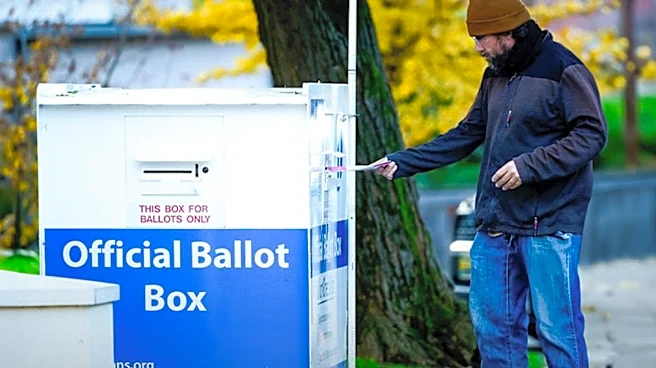
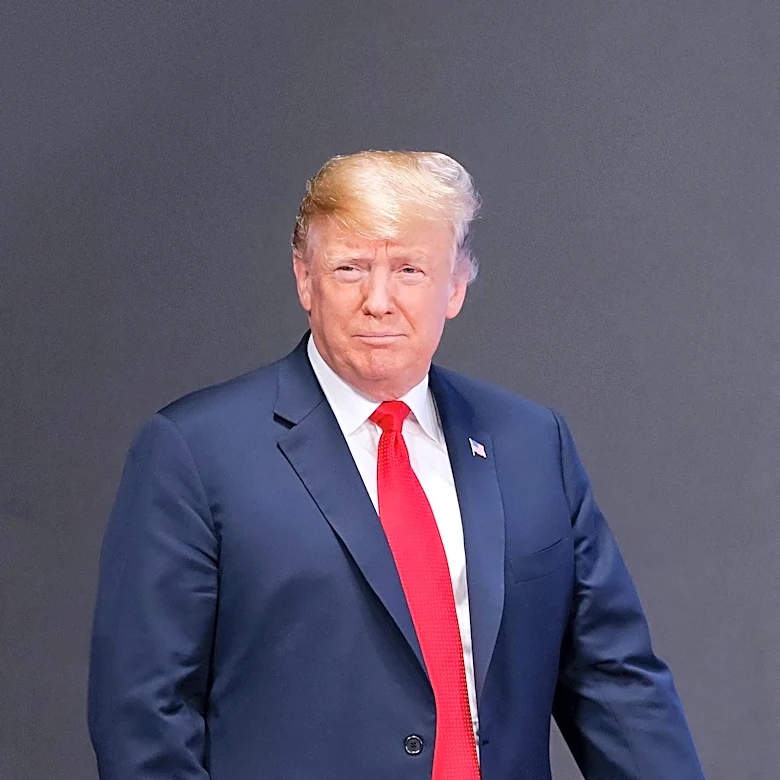
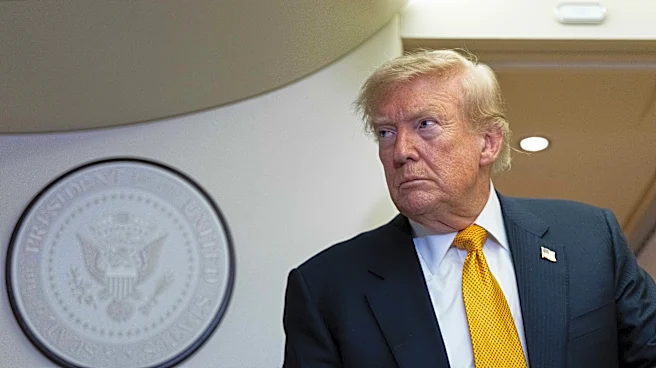
President Trump has reportedly explored options to bypass the bipartisan federal Election Assistance Commission (EAC) by declaring a national emergency to address alleged vulnerabilities in voting systems. This move comes after Trump dismissed the two
Democratic members of the EAC, leaving the agency without a quorum and unable to approve new business or changes to election procedures. The White House has stated that these actions are part of efforts to safeguard elections from fraud and abuse ahead of the upcoming midterm elections. However, the administration's actions have been met with criticism, particularly from Democratic lawmakers who view this as an attempt to increase federal control over elections, which are constitutionally managed by states.
Why It's Important?
The actions taken by President Trump to potentially bypass the EAC and exert more federal control over election processes have significant implications for the U.S. electoral system. The EAC, established in 2002, plays a crucial role in distributing federal grants to states, overseeing the testing of voting systems, and maintaining the national voter registration form. By removing its leadership and exploring emergency powers, the administration could alter the balance of power between federal and state control over elections. This raises concerns about the integrity and independence of the electoral process, especially in light of Trump's continued claims of widespread election fraud in the 2020 election. The situation underscores the ongoing debate over election security and the appropriate level of federal involvement in state-managed elections.
What's Next?
With the EAC currently unable to function effectively due to the lack of a quorum, the immediate future of federal oversight in election processes remains uncertain. The administration's next steps could involve further attempts to implement changes to voting systems through other federal agencies or emergency declarations. Meanwhile, Democratic lawmakers and election integrity advocates are likely to continue opposing these moves, potentially leading to legal challenges or legislative efforts to reinforce state control over elections. The outcome of these developments could have lasting effects on how elections are conducted and regulated in the United States.