






What's Happening?
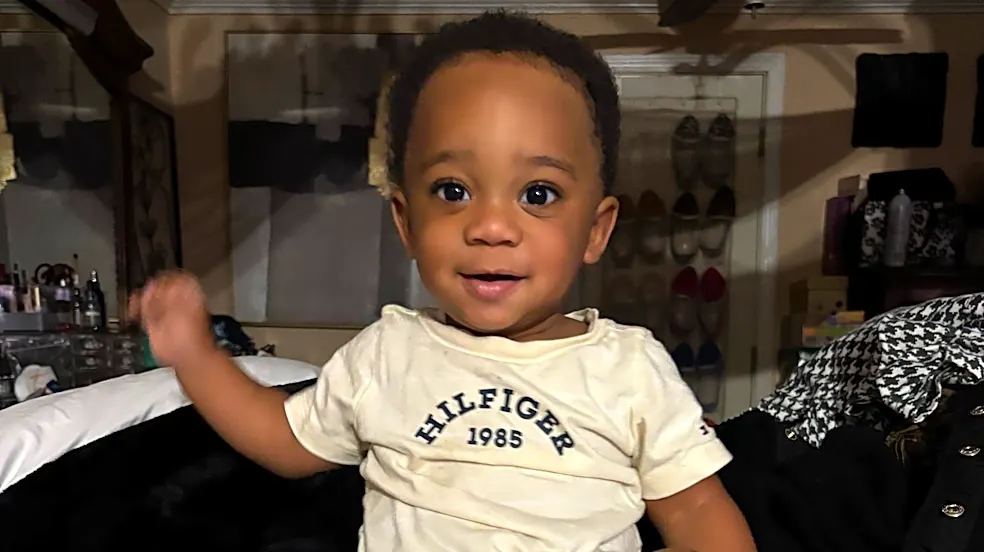
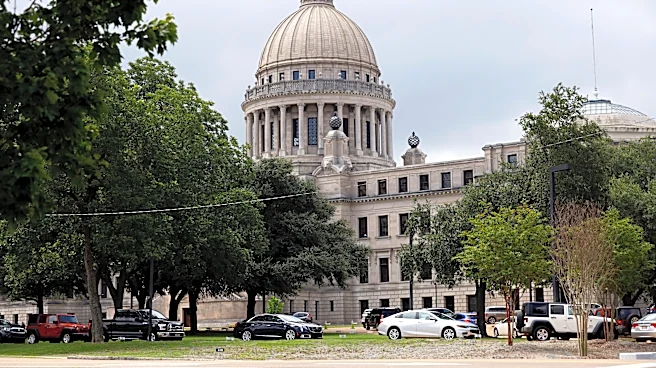
Hinds County Circuit Judge Faye Peterson has denied the Mississippi Attorney General's request to dismiss the manslaughter charge against former Capitol Police officer Michael Rhinewalt. Rhinewalt was involved in the shooting death of Jaylen Lewis. The
case previously resulted in a deadlocked jury, leading to a mistrial, while his co-defendant, Steven Frederick, was found not guilty. Attorney General Lynn Fitch had announced her office would not retry Rhinewalt, citing the mistrial as a 'tie' and stating that law enforcement officers deserve the benefit of the doubt. Judge Peterson, however, ruled that the state failed to provide a substantive justification for abandoning the prosecution, asserting that the Attorney General's office showed a bias in favor of law enforcement rather than upholding its oath to pursue prosecutions without bias. The incident in question occurred in September 2022 when plainclothes officers in unmarked vehicles stopped Lewis, who then allegedly backed up, hit an officer's vehicle, and drove towards Frederick and Rhinewalt, prompting them to fire their weapons. Lewis's passenger claimed he was trying to escape, while the officers testified they feared for their lives.
Why It's Important?
This judicial decision is significant as it challenges the discretion of the Attorney General's office in prosecuting officer-involved shootings and underscores the judiciary's role in ensuring unbiased legal proceedings. The judge's assertion of bias against the Attorney General's office could set a precedent for increased scrutiny of prosecutorial decisions, particularly in cases involving law enforcement. For the public, it reinforces the idea that legal processes should be impartial and not swayed by institutional preferences. For law enforcement, it highlights the continued legal accountability officers face, even after a mistrial. The case also brings to the forefront the complexities of self-defense claims versus excessive force allegations in police encounters, especially when officers are operating in plainclothes and unmarked vehicles, which can create confusion and escalate situations. The outcome of this case could influence future policies regarding the conduct of undercover officers and the oversight of their actions.
What's Next?
Following Judge Peterson's rejection of the motion to nolle prosequi, the state has filed another motion to remand the case, arguing that a new trial is unlikely to yield a different outcome. Judge Peterson has not yet responded to this latest request. The legal process will likely continue with further arguments regarding the feasibility and necessity of a retrial. Given that Mississippi state law grants the Attorney General's office exclusive authority over officer-involved shootings, there may be a legal challenge to Judge Peterson's authority to compel prosecution if the Attorney General remains unwilling. This could lead to a higher court review of the jurisdictional boundaries between the judiciary and the executive branch in such cases. The community will be closely watching for the judge's decision on the motion to remand and any subsequent legal actions, which could include a new trial or further appeals regarding the prosecution's authority.
Beyond the Headlines
The case of Michael Rhinewalt delves into deeper societal issues concerning police accountability, the use of force, and public trust in the justice system. The judge's explicit mention of prosecutorial bias raises critical questions about systemic issues within the legal framework that handles officer-involved incidents. It suggests a potential imbalance where law enforcement actions might be given undue deference, impacting the pursuit of justice for victims and their families. The use of plainclothes officers and unmarked vehicles in an arrest scenario also brings to light the challenges of identifying law enforcement and the potential for misinterpretation of intentions by both officers and civilians, which can lead to tragic outcomes. This case could spark broader discussions about transparency in policing, the need for clear protocols for undercover operations, and reforms aimed at ensuring equitable treatment under the law, regardless of the profession of those involved. It underscores the ongoing tension between supporting law enforcement and holding them accountable for their actions.