


What's Happening?
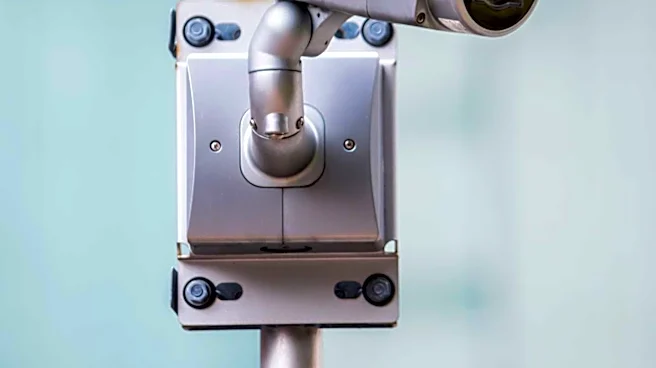
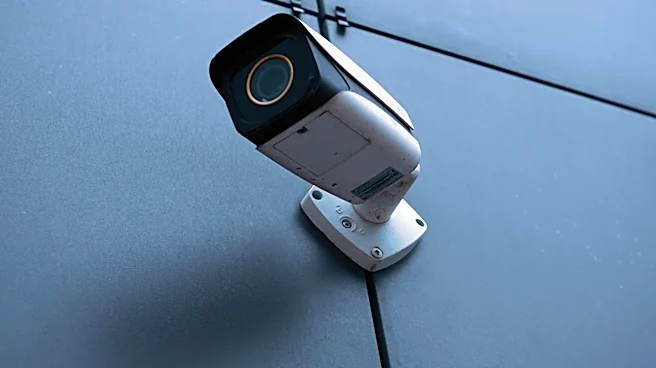
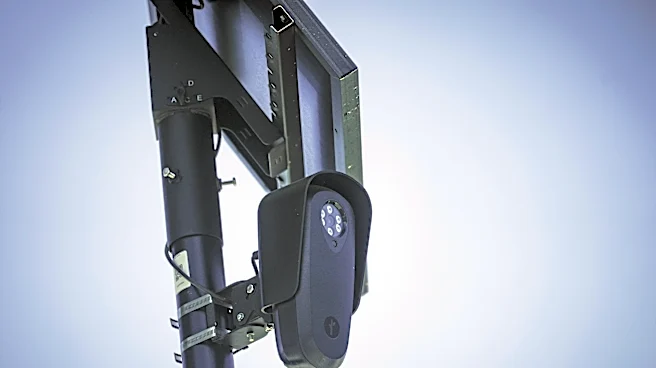
A growing number of American cities are deactivating Flock Safety's Automated License Plate Reader (ALPR) cameras and canceling contracts due to privacy concerns and reports of misuse by law enforcement. These cameras, which are used to track vehicles,
have been criticized for enabling mass surveillance and potential violations of personal privacy. Cities like Fort Collins, Eugene, and Madison have taken action against these systems, with incidents of physical damage to the cameras reported in various locations. Flock Safety argues that their technology aids in crime investigation, but critics worry about the implications for civil liberties.
Why It's Important?
The backlash against Flock Safety's ALPR cameras highlights a significant debate over privacy and surveillance in the United States. As technology advances, the balance between public safety and individual privacy becomes increasingly contentious. The actions taken by these cities reflect broader societal concerns about government overreach and the potential for abuse of surveillance technologies. This issue resonates across political lines, uniting individuals with diverse viewpoints in opposition to perceived threats to personal freedoms.
Beyond the Headlines
The controversy surrounding Flock Safety's cameras raises important questions about the ethical use of surveillance technology. The potential for misuse by law enforcement and the implications for civil liberties are central to this debate. As cities reconsider their use of such technologies, there may be increased calls for regulatory frameworks to ensure transparency and accountability in surveillance practices. This situation could lead to broader discussions about the role of technology in public safety and the protection of individual rights.