
What's Happening?
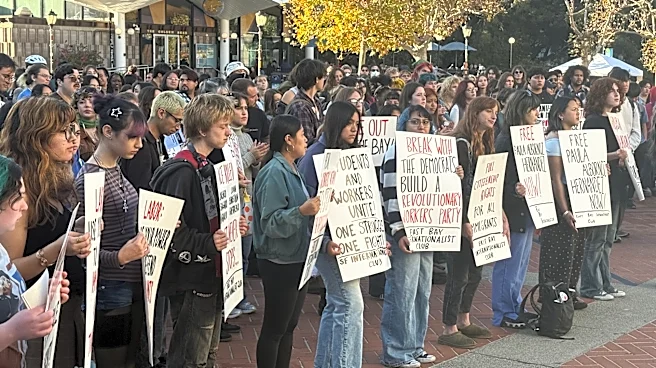
More than 200 members of the Harvard Graduate Students Union-United Auto Workers (HGSU-UAW) rallied outside University Hall, urging deans to intervene and push the University towards a contract settlement.
This demonstration occurred one week into their second strike of the year. The union, representing over 4,000 undergraduate and graduate student workers, delivered a letter to Graduate School of Arts and Sciences Dean Emma Dench, emphasizing the need for University leadership to advocate for its workers. The union's demands remain consistent: higher wages and benefits, protections for noncitizen workers, and an independent process for handling harassment and discrimination complaints. Speakers at the rally included Harvard Law School professor Nikolas E. Bowie, local elected officials, and members of the Harvard College Democrats. Professor Bowie criticized Harvard's stance, drawing a parallel between the University's opposition to the Trump administration's actions and its current position with the union, suggesting an inconsistency in its commitment to protecting its students.
Why It's Important?
This ongoing strike at Harvard highlights significant labor relations challenges within academic institutions, particularly concerning the rights and compensation of student workers. The union's demands for improved wages, benefits, and protections for noncitizen workers reflect broader national conversations about fair labor practices and the economic precarity faced by many graduate students. The involvement of local elected officials signals growing political attention to these issues, potentially influencing public perception and future labor negotiations at other universities. The strike also underscores the tension between the financial resources of wealthy institutions like Harvard and the compensation provided to the workers who contribute significantly to their academic and research output. The outcome of these negotiations could set a precedent for how similar disputes are resolved across the country, impacting thousands of student workers and the operational dynamics of higher education.
What's Next?
The two sides are scheduled to resume bargaining for their first session since the walkout began last week. The union's contract expired in June, following a 40-day strike that concluded without a new agreement. Harvard has previously stated that another strike is 'unwarranted,' citing its latest contract proposal, which includes an immediate 6.1 percent pay raise and subsequent annual raises of 3 percent. The union's continued resolve, supported by local political figures and student groups, suggests that negotiations may remain contentious. The University's response to the renewed bargaining sessions and the pressure from the ongoing strike will determine the duration and eventual resolution of this labor dispute. The involvement of elected officials indicates that external pressure may continue to mount on Harvard to reach a satisfactory agreement with its student workers.
Beyond the Headlines
The strike at Harvard extends beyond immediate contract demands, touching upon fundamental questions about the nature of student employment and the power dynamics within elite academic institutions. Professor Bowie's remarks, linking Harvard's stance on the union to its past opposition to the Trump administration's policies, raise questions about institutional hypocrisy and the consistent application of values. The union's demand for protections for noncitizen workers also highlights the vulnerability of international students in the U.S. academic system, particularly in the context of shifting immigration policies. This dispute could prompt a re-evaluation of how universities classify and compensate their student researchers and teaching assistants, potentially leading to broader reforms in federal labor law interpretations regarding student workers. The long-term implications could include increased unionization efforts across universities and a redefinition of the employer-employee relationship in higher education.