




What's Happening?
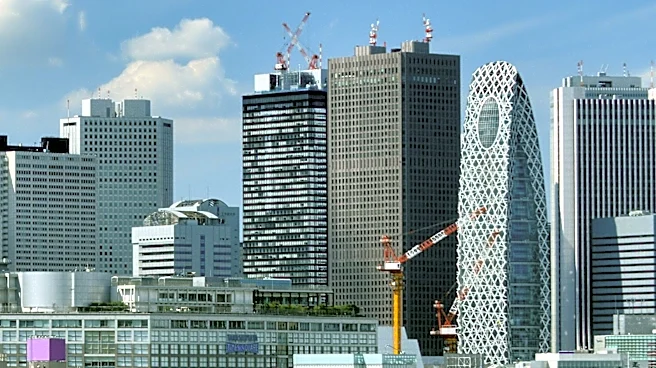
Tokyo, Japan, is currently experiencing a significant urban transformation, characterized by a 'once-in-a-century wave of redevelopment.' This extensive project involves the replacement of numerous postwar structures with modern high-rise towers. The
city, recognized as the central hub for Japan's politics, economy, and media, is undergoing this large-scale modernization to reshape its urban landscape. This redevelopment effort is not merely about constructing new buildings but is part of a broader initiative to update and enhance the city's infrastructure and aesthetic. The transformation aims to solidify Tokyo's position as a leading global metropolis, offering advanced facilities and a renewed urban environment. This includes various attractions such as the Roppongi Hills Illumination, and the city continues to be a popular destination for luxury travel, often packaged with visits to other Japanese cities like Kyoto and Osaka. Travel guides frequently highlight Tokyo's must-see spots, dining, and shopping options, all of which are being influenced by this ongoing redevelopment.
Why It's Important?
This massive redevelopment in Tokyo holds significant importance for several reasons. Economically, it represents a substantial investment in urban infrastructure, likely stimulating job creation in construction, architecture, and related industries. The emergence of high-rise towers can increase commercial and residential space, potentially attracting more businesses and residents, thereby boosting the local economy. For the U.S., this could mean new opportunities for American architectural firms, construction companies, or real estate investors looking to participate in or capitalize on Tokyo's growth. Socially, the transformation could alter the city's character, potentially leading to both revitalization and concerns about the preservation of historical or cultural landmarks. The influx of modern structures might also influence tourism trends, drawing more international visitors, including those from the U.S., interested in contemporary urban experiences. The redevelopment also reflects a broader trend in global cities to modernize and adapt to future needs, setting a precedent for urban planning and development that other major cities, including those in the U.S., might observe and learn from.
What's Next?
The ongoing redevelopment in Tokyo is expected to continue for the foreseeable future, with more postwar structures slated for replacement by high-rise towers. This will likely lead to a continuous evolution of the city's skyline and urban fabric. Future developments may include further integration of smart city technologies and sustainable building practices into these new constructions, aligning with global trends in urban planning. Stakeholders, including local government, real estate developers, and international investors, will likely continue to drive these projects, aiming to enhance Tokyo's appeal as a global business and tourism destination. The completion of these projects could further solidify Tokyo's economic dominance in the region and potentially attract more foreign direct investment, including from U.S. companies seeking to establish or expand their presence in Asia. Additionally, the city may see an increase in cultural and entertainment venues as part of these new developments, further enriching the urban experience for both residents and tourists.
Beyond the Headlines
Beyond the visible construction, Tokyo's redevelopment carries deeper implications for urban identity and cultural heritage. The replacement of postwar structures, while modernizing the city, also raises questions about the loss of historical memory embedded in these older buildings. This transformation could lead to a redefinition of what constitutes 'Tokyo' for its residents and visitors, shifting from a city with a visible past to one that is predominantly forward-looking and contemporary. Ethically, there may be ongoing debates about balancing progress with preservation, and ensuring that the benefits of redevelopment are equitably distributed among all segments of the population. The long-term shift could see Tokyo becoming an even more pronounced symbol of technological advancement and architectural innovation, potentially influencing urban design philosophies globally. This continuous renewal also highlights the dynamic nature of major global cities, where constant adaptation is necessary to maintain relevance and competitiveness on the international stage.