

What's Happening?
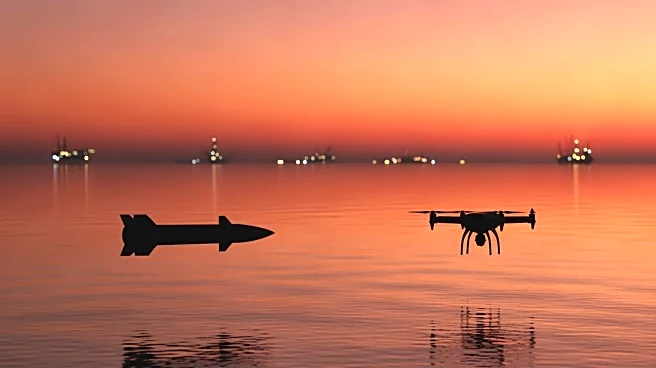
Iran has intensified its military response in the Gulf region by launching multiple waves of missile and drone strikes. This escalation follows continued military actions by the United States and Israel against Iran. The attacks have targeted both military and civilian
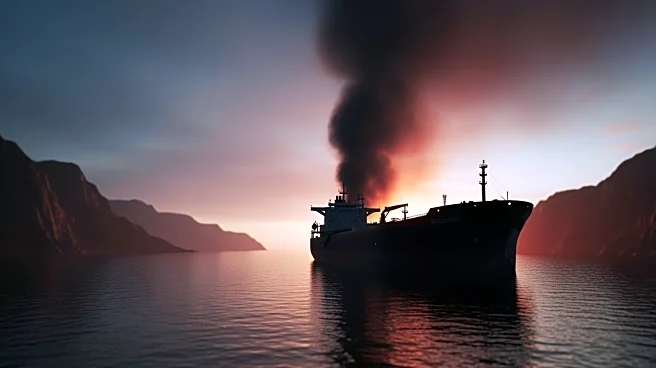
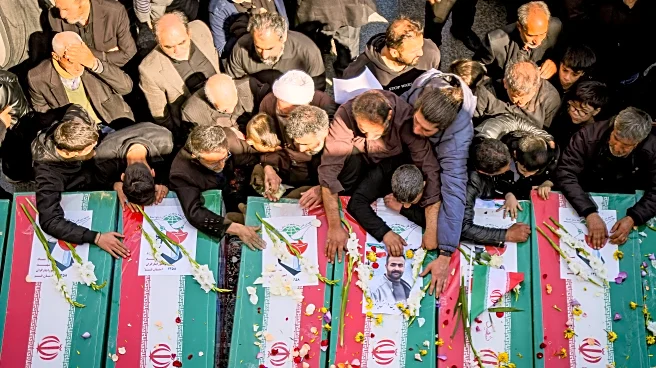
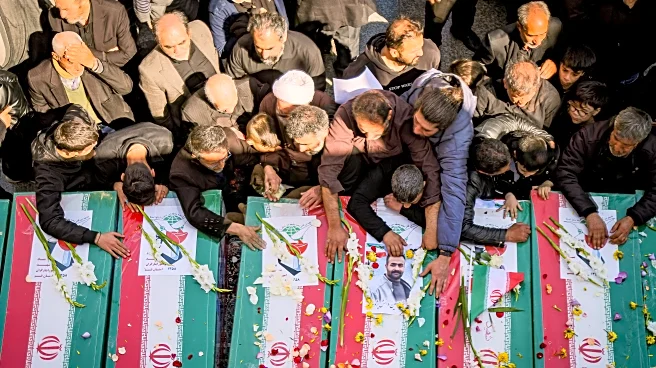
installations, with significant impacts reported in Kuwait, Bahrain, and the United Arab Emirates. According to reports, the Kuwaiti army has been actively intercepting projectiles, while Bahrain's main oil refinery was hit, causing a fire that was quickly controlled. The United Arab Emirates has faced a substantial number of drone and missile attacks, testing its air defense systems. The conflict has resulted in casualties, including six US service members and several civilians in the region. The situation has also led to disruptions in the Strait of Hormuz, a critical passage for global oil shipments, causing oil and gas prices to rise.
Why It's Important?
The ongoing conflict in the Gulf region has significant implications for international security and the global economy. The Strait of Hormuz is a vital chokepoint for the world's oil supply, with about 20% of global crude passing through it. Disruptions in this area can lead to increased oil prices, affecting economies worldwide. The military actions have also heightened tensions between Iran and Gulf countries, potentially destabilizing the region further. The involvement of the US and Israel in military operations against Iran underscores the geopolitical complexities and the potential for broader conflict. The situation poses risks to energy infrastructure and could lead to further international diplomatic and military responses.
What's Next?
As the conflict continues, Gulf countries remain on high alert, and further military engagements are likely. The US has suspended operations at some diplomatic missions in the region, indicating a cautious approach to protecting its personnel. The international community may seek diplomatic solutions to de-escalate tensions, but the current trajectory suggests continued military actions. The impact on global oil markets will be closely monitored, and countries dependent on Gulf oil may need to explore alternative energy sources or suppliers. The situation could also prompt discussions on international law and the rights of nations to self-defense in the face of such attacks.