

What's Happening?
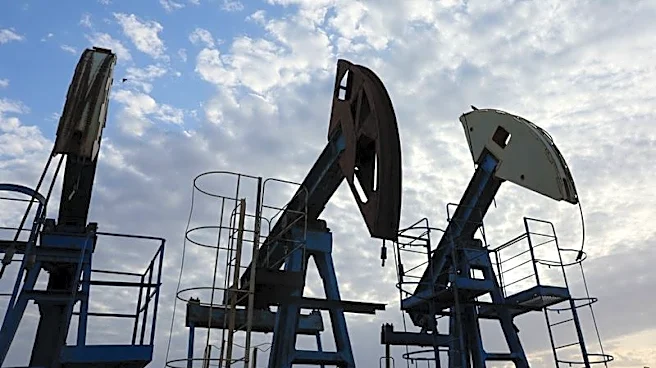
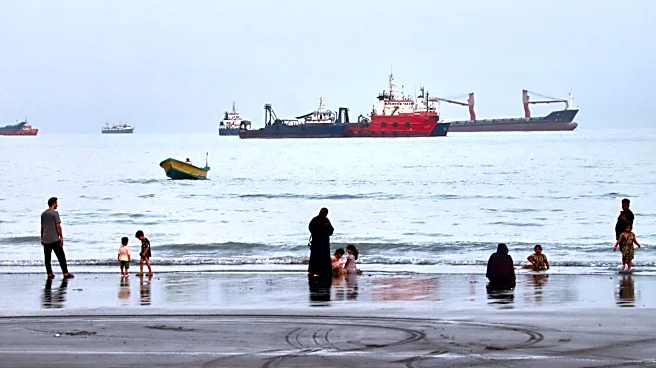
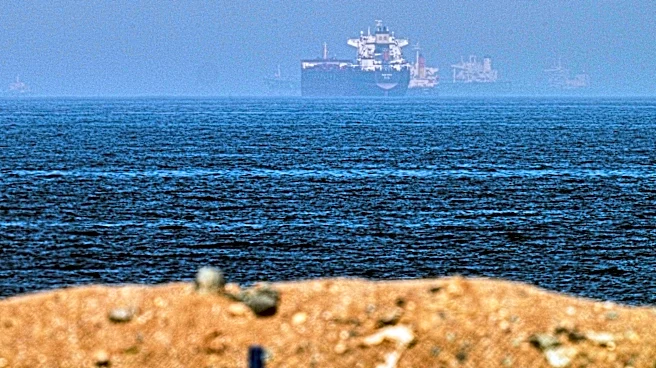
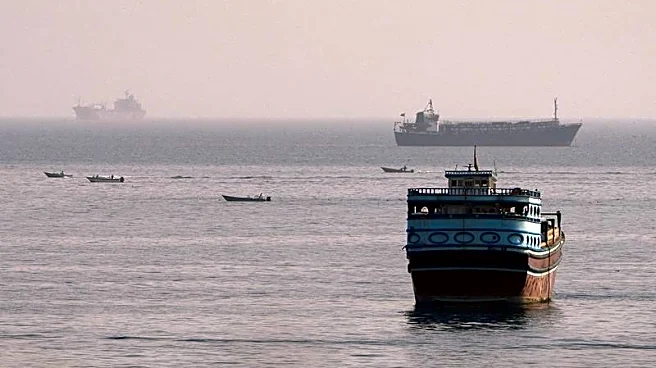
Oil prices have surged following reports of Iran attacking 'hostile targets' in the Strait of Hormuz. The attacks, which occurred near Qeshm Island, were reported by the semi-official Fars News Agency. This development has led to West Texas Intermediate
trading near $78 a barrel, with Brent crude settling above $82. The increase in oil prices comes after a nearly 3% rise in the previous session. The situation has arisen amidst Iran's efforts to bar US ships from the critical waterway as part of a deal with Oman. Additionally, Iran plans to ban Israeli ships from the strait and demand compensation from hostile countries for its use. The potential reopening of the Strait of Hormuz, a vital channel for global energy flows, remains uncertain, with investors expressing concerns over the lack of a durable agreement.
Why It's Important?
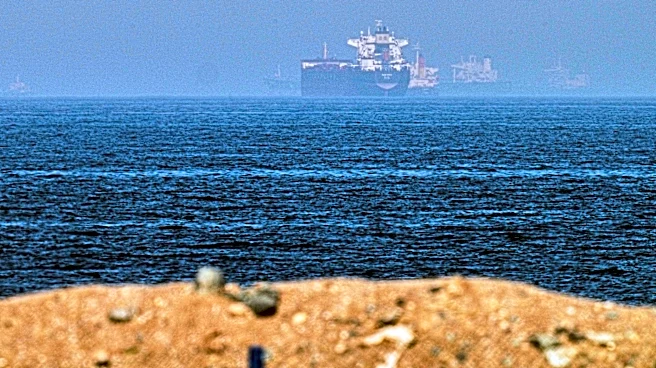
The Strait of Hormuz is a strategic chokepoint for global oil transportation, with a significant portion of the world's oil supply passing through it. Iran's actions and the subsequent rise in oil prices could have widespread economic implications, affecting global energy markets and potentially leading to increased fuel costs. The uncertainty surrounding the reopening of the strait could also impact investor confidence and market stability. Countries reliant on oil imports may face economic challenges, while oil-exporting nations could benefit from higher prices. The geopolitical tensions in the region could further complicate international relations and trade dynamics.
What's Next?
The situation in the Strait of Hormuz is likely to remain tense, with potential diplomatic efforts to resolve the conflict. Major stakeholders, including the United States and other countries with vested interests in the region, may engage in negotiations to ensure the safe passage of ships and stabilize oil markets. The outcome of these discussions could significantly influence global energy security and economic stability. Additionally, any escalation in military actions could lead to further disruptions in oil supply and heightened geopolitical tensions.