






What's Happening?
Ticks are increasingly becoming a public health concern in the United States, with their population expanding due to climate change, changes in land use, and a growing deer population. These factors have led to a rise in tick-borne diseases such as Lyme
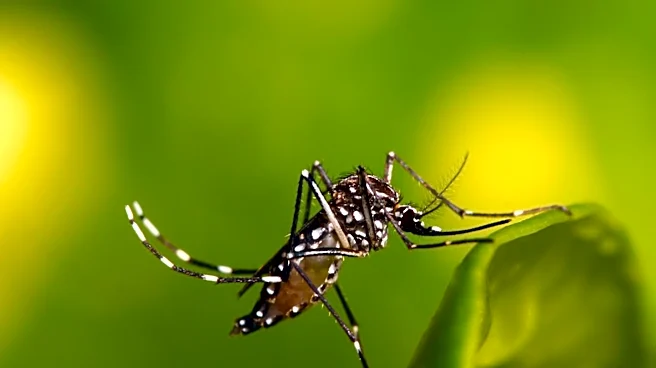
disease and Alpha-gal syndrome, a red meat allergy. The spread of ticks is altering how people engage with outdoor activities, as fear of tick bites influences their lifestyle choices. Despite the growing threat, public health efforts remain focused on mosquito control, with limited resources allocated to tick management. Emergency room visits for tick bites have reached their highest levels since 2017, highlighting the urgent need for more comprehensive public health strategies.
Why It's Important?
The increase in tick-borne diseases poses significant health risks to the U.S. population, with Lyme disease being the fastest-growing vector-borne disease in the country. The lack of adequate public health measures to control tick populations could lead to more widespread health issues and increased healthcare costs. The current focus on mosquito control over ticks suggests a misallocation of resources, as ticks account for 90% of vector-borne disease cases in the U.S. Addressing this imbalance is crucial to prevent further public health crises and to protect communities from the expanding range of tick-borne illnesses.
What's Next?
To combat the rising threat of tick-borne diseases, public health officials may need to shift their focus and resources towards tick control. This could involve developing and implementing new strategies, such as vaccines for deer and rodents, which are key hosts for ticks. Increased public awareness and education on preventive measures, such as regular tick checks and the use of insect repellents, are also essential. Policymakers and health agencies might consider reallocating funding to support research and interventions aimed at reducing tick populations and mitigating the spread of diseases they carry.