



What's Happening?
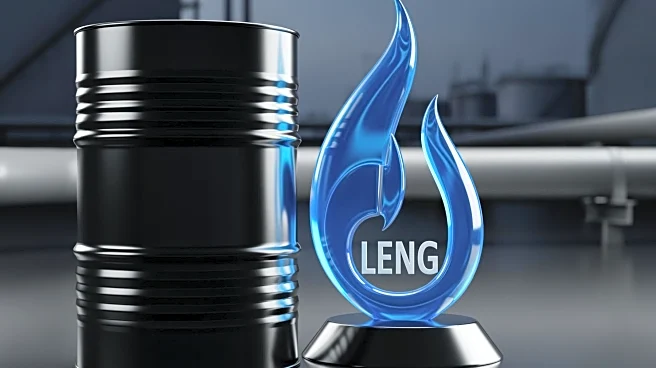
Equatorial Guinea, the smallest member of OPEC, is pursuing $300 million in prepayment deals with commodity trading companies to finance a revival of its domestic hydrocarbon production. The country aims to secure this funding in exchange for future deliveries
of crude oil and liquefied natural gas (LNG). This approach is part of a broader trend among African nations seeking dollar financing from trading houses, which are eager to invest their cash reserves following a period of record profits. The funds are intended to support project developments or asset acquisitions as traditional banks reduce their involvement in fossil fuels. Equatorial Guinea's oil output has significantly declined, with production dropping to 40,000 barrels per day in November, a third of its level four years ago. The country is looking for alternative funding sources to maintain its producing fields.
Why It's Important?
The move by Equatorial Guinea highlights the challenges faced by smaller oil-producing nations in securing investment amid a global shift away from fossil fuels. By turning to commodity trading companies for prepayment deals, Equatorial Guinea is attempting to sustain its oil and gas sector, which is crucial for its economy. This strategy also reflects a broader trend in Africa, where countries are increasingly relying on non-traditional financing methods to fund energy projects. For trading companies, these deals offer access to valuable resources, while for Equatorial Guinea, they provide much-needed capital to maintain and potentially expand production. The outcome of these efforts could influence the country's economic stability and its role within OPEC.
What's Next?
If successful, Equatorial Guinea's prepayment deals could set a precedent for other African nations facing similar investment challenges. The country's ability to secure the necessary funding will depend on the willingness of trading companies to engage in these arrangements and the global demand for oil and LNG. Additionally, the effectiveness of these deals in reviving production will be closely watched by other OPEC members and international investors. The outcome could impact Equatorial Guinea's future production levels and its influence within the global oil market.