




What's Happening?
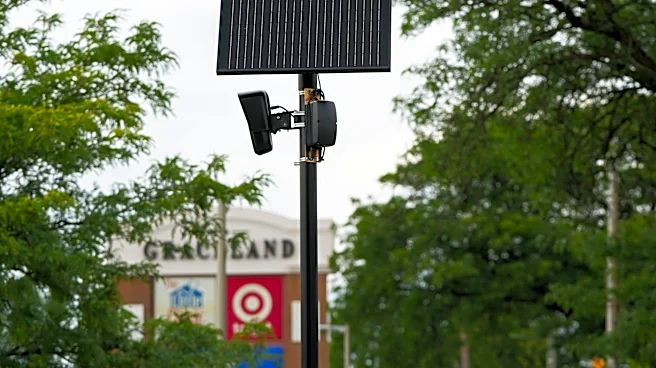
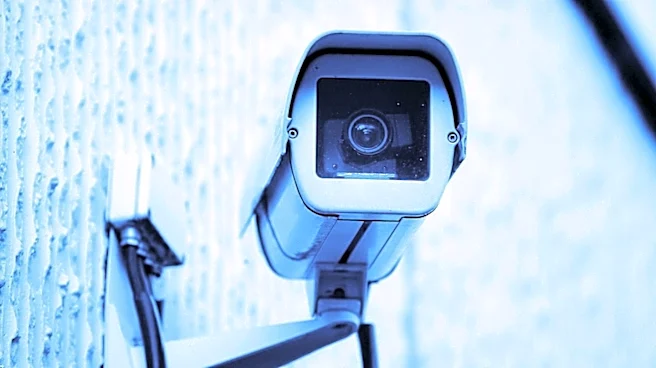
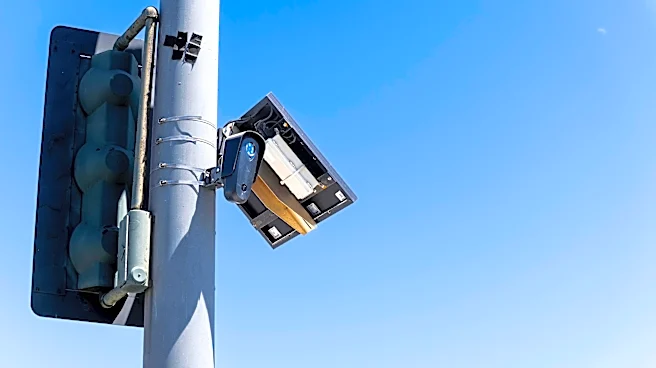
Fort Wayne Mayor Sharon Tucker has announced the decision to remove all 36 Flock license plate reading cameras currently operating in the city. This decision follows days of discussion and public concern regarding privacy and civil liberties. The Fort Wayne City
Council recently voted against funding a new contract for the Flock cameras, with Councilwoman Rohli Booker, D-6th District, stating that council members and the public were not fully briefed before the cameras were initially installed. Councilman Nathan Hartman, R-3rd District, expressed his view that the technology constitutes 'mass surveillance.' Mayor Tucker acknowledged that the Flock camera program began in 2024 through a Department of Justice grant, which had received council approval at the time. Despite police arguments that the cameras are a major crime-fighting tool, Mayor Tucker emphasized that her administration heard public concerns about privacy and potential misuse of the technology. The cameras are still operational but are in the process of being disabled and removed, with the mayor's office planning to notify the council, public, and media once the process is complete.
Why It's Important?
This decision by Fort Wayne's Mayor highlights a growing national debate over the balance between public safety and individual privacy in the age of advanced surveillance technology. The removal of these cameras in a major U.S. city could set a precedent for other municipalities grappling with similar issues. For residents of Fort Wayne, it signifies a victory for privacy advocates and a response from local government to community concerns about data collection and civil liberties. For law enforcement, it means the loss of a tool that the Fort Wayne Police Department claimed contributed to a high crime-solving rate, potentially impacting their operational strategies. The situation also underscores the increasing scrutiny of how government agencies acquire and deploy surveillance technologies, particularly when public awareness and consent are perceived as lacking. This event could influence future policy decisions regarding surveillance technology procurement and transparency across the country, as other cities observe Fort Wayne's experience.
What's Next?
The Fort Wayne Police Department will need to adapt its crime-fighting strategies following the removal of the Flock cameras. Mayor Tucker indicated that the city is researching new technology while keeping public concerns in mind, suggesting a potential shift towards alternative solutions that might offer a better balance between security and privacy. De-Flock Fort Wayne, a group advocating for a complete ban on such technology, plans to push council members to pass an outright ban to prevent similar systems from returning under different names or forms. This indicates that the debate over surveillance technology in Fort Wayne is far from over and may lead to more comprehensive legislation. The mayor's office will notify the public and media once the cameras are fully disabled and removed. The city council may also engage in further discussions to establish guardrails around how any future data is used, aiming to protect residents while still providing law enforcement with necessary tools.
Beyond the Headlines
The Fort Wayne decision reflects a broader societal reckoning with the pervasive nature of surveillance in modern life. Beyond the immediate impact on crime rates and privacy, this event touches upon the evolving social contract between citizens and their government regarding data collection. It raises questions about the long-term implications of 'mass surveillance' on democratic freedoms and the potential for mission creep with technologies initially deployed for specific purposes. The public's increasing awareness and concern about how their data is collected, stored, and used by both public and private entities is a significant cultural shift. This case could serve as a blueprint for how communities can successfully advocate for greater transparency and accountability from their local governments regarding technology adoption, potentially leading to more robust privacy protections and public oversight mechanisms for surveillance tools nationwide. It also highlights the challenge for law enforcement to maintain effectiveness while respecting civil liberties.