


What's Happening?
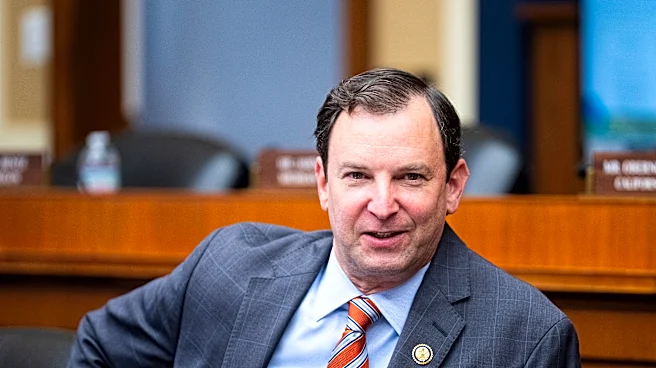
U.S. Representative Dan Meuser, R-Dallas, has actively supported and voted in favor of H.R. 1013, known as the Retirement Fairness for Charities and Educational Institutions Act. This bipartisan legislation aims to provide millions of Americans employed
by nonprofit organizations, including churches, hospitals, and charities, with improved opportunities to save for retirement. Meuser highlighted that while most nonprofits offer 403(b) retirement plans, these plans typically lack the collective investment trusts available in 401(k) plans offered by for-profit businesses, which often come with lower fees. The proposed act seeks to rectify this disparity by allowing 403(b) plans at nonprofits to invest in these lower-cost collective investment trusts. Representative Meuser spoke on the House floor, emphasizing the importance of this legislation for nonprofit professionals, including nurses and technicians in his district, ensuring they have comparable retirement saving options to those in the for-profit sector. The bill successfully passed the House with a vote of 295–128 and is now awaiting consideration in the Senate.
Why It's Important?
This legislation holds significant importance for the U.S. workforce, particularly for the substantial number of individuals employed in the nonprofit sector. By enabling 403(b) plans to access collective investment trusts, the act could lead to lower fees and, consequently, more money accumulated for nonprofit workers in retirement. This change addresses an existing inequity where employees in the nonprofit sector have fewer cost-effective retirement saving options compared to their counterparts in for-profit businesses. The impact extends to various essential services, including healthcare and education, as it directly benefits hospital employees, faith-based workers, and other nonprofit staff who often dedicate their careers to public service. Providing better retirement security for these workers could also enhance job satisfaction and retention within the nonprofit sector, which is crucial for maintaining vital community services. The bill's passage through the House signals a bipartisan recognition of the need to support these workers' financial futures.
What's Next?
Following its passage in the House of Representatives, the Retirement Fairness for Charities and Educational Institutions Act (H.R. 1013) will now proceed to the Senate for further consideration. The Senate will deliberate on the bill, and if it passes there, it will then be sent to the President for signature to become law. Key stakeholders, including nonprofit organizations, employee advocacy groups, and financial institutions, will likely monitor its progress closely. The outcome in the Senate will determine whether millions of nonprofit workers gain access to more cost-effective retirement savings options. If enacted, the legislation would necessitate adjustments in how 403(b) plans are structured and managed, potentially leading to new investment opportunities and increased competition among financial service providers catering to the nonprofit sector. The timeline for Senate action is not specified, but its bipartisan support in the House suggests a potential for favorable consideration.
Beyond the Headlines
The push for the Retirement Fairness for Charities and Educational Institutions Act highlights a broader discussion about equitable financial opportunities across different employment sectors. Beyond the immediate financial benefits for nonprofit workers, this legislation could set a precedent for re-evaluating other disparities in benefits and compensation between the for-profit and nonprofit worlds. It underscores the often-overlooked financial challenges faced by those in public service roles, who may earn less than their private-sector counterparts but contribute significantly to societal well-being. The act also touches upon the evolving landscape of retirement planning and the need for legislative frameworks to adapt to modern financial instruments and market efficiencies. If successful, it could encourage further legislative efforts to standardize and improve retirement savings options for all Americans, regardless of their employer's tax status, fostering a more inclusive and secure retirement system.