



What's Happening?
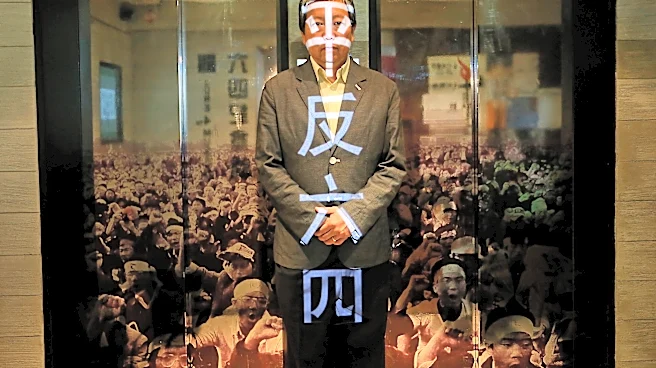
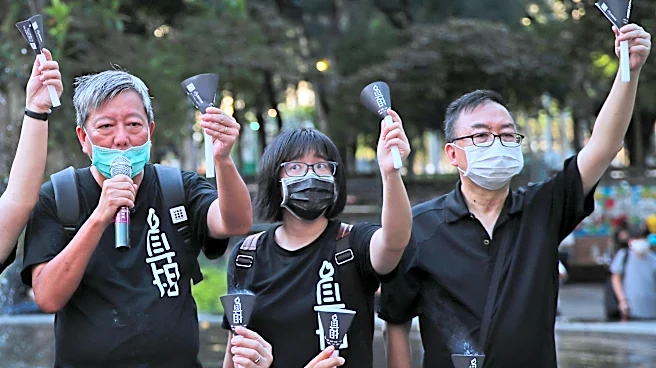
A Hong Kong High Court has convicted two former leaders of a disbanded group, the Hong Kong Alliance in Support of Patriotic Democratic Movements of China, for inciting subversion. Lee Cheuk-yan, 69, and Chow Hang-tung, 41, were found guilty for their
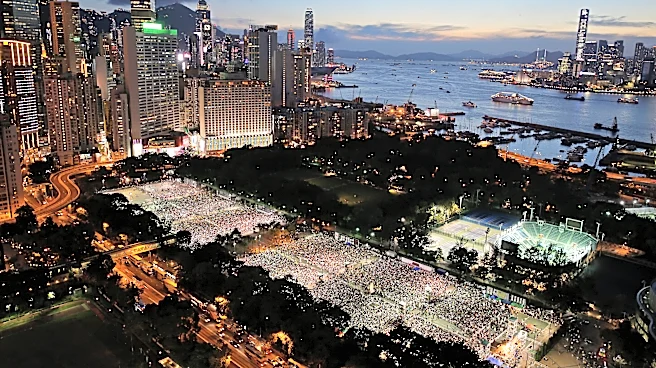
repeated use of the phrase "end one-party dictatorship" in their political activities. This phrase, according to the judgment by three government-approved national security judges, was intended to cause others to lose confidence in the Chinese Communist Party (CCP) and undermine the fundamental basic system. The conviction highlights the strict enforcement of the China-imposed National Security Law (NSL), which effectively outlawed public commemorations of the 1989 Tiananmen Square protests that were once legal in Hong Kong. Lee and Chow, who have been detained since 2021, had pleaded not guilty to the charge. Another former chairman, Albert Ho, 74, pleaded guilty to the same charge.
Why It's Important?
This conviction is a significant development for Hong Kong's political landscape and its relationship with mainland China. It underscores the tightening grip of the National Security Law, which has been criticized for curtailing freedoms previously enjoyed in the city. The ruling effectively criminalizes expressions that challenge the authority of the Chinese Communist Party, even if those expressions do not involve violence. This could have a chilling effect on dissent and political activism in Hong Kong, further eroding its autonomy and distinct legal system compared to mainland China. The case also sends a clear message to international observers, including diplomats from the European Union and the United States who witnessed the proceedings, about the extent of Beijing's influence over Hong Kong's judiciary and its commitment to suppressing perceived threats to its political system.
What's Next?
Mitigation hearings for Lee Cheuk-yan and Chow Hang-tung are scheduled to begin later this month. They face potential sentences of up to 10 years in jail under the National Security Law. The outcome of these hearings will be closely watched as they will determine the severity of the penalties for expressing political views deemed subversive. This case is likely to further solidify the legal precedent for prosecuting similar acts under the NSL, potentially leading to more arrests and convictions of pro-democracy activists. The international community, particularly the U.S. and EU, may issue statements or consider further actions in response to these developments, although the direct impact on Hong Kong's legal processes remains limited. The verdict could also influence future strategies of remaining pro-democracy groups and individuals in Hong Kong, potentially leading to more subdued forms of activism or increased emigration.
Beyond the Headlines
The conviction of these Tiananmen vigil leaders delves into the deeper implications of the National Security Law on fundamental human rights, particularly freedom of speech and assembly, in Hong Kong. It highlights a clash between the city's historical commitment to civil liberties and Beijing's assertion of national security. The judges' emphasis on the phrase "end one-party dictatorship" as the core of the subversion charge suggests a broad interpretation of what constitutes a threat to state power, potentially encompassing any criticism of the CCP. This case raises ethical questions about the role of the judiciary in upholding political directives and the erosion of legal safeguards. It also contributes to the ongoing narrative of Hong Kong's transformation from a relatively free society to one increasingly aligned with mainland China's authoritarian governance model, impacting its identity and international standing.