






What's Happening?
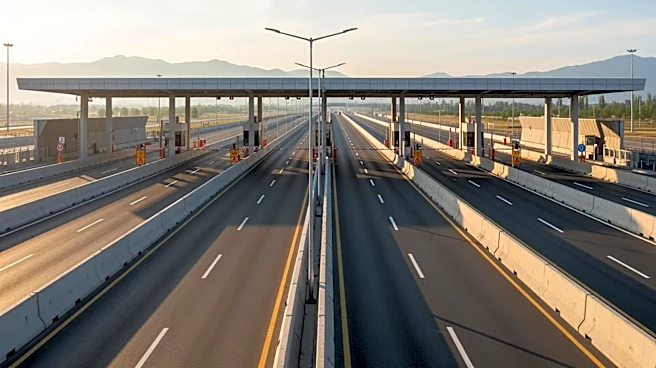
Iraq has reopened the Rabia border crossing with Syria after more than a decade, aiming to accelerate overland fuel oil exports and revive cross-border trade. This move comes in response to disruptions in Gulf shipping following the Iran war. The crossing,
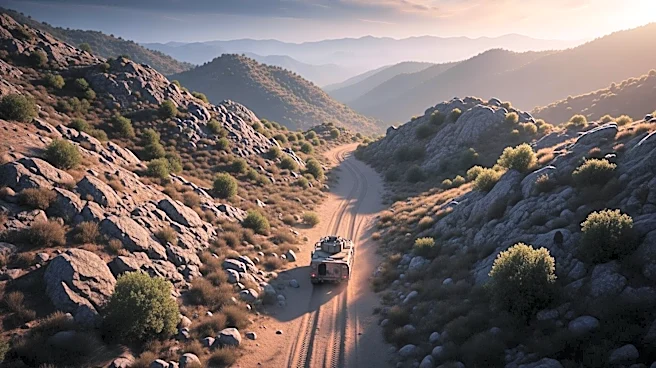
located in Iraq's northern Nineveh province, will facilitate the trucking of fuel oil through Syria and reopen commercial trade routes that have been inactive since the Syrian civil war. Omar al-Waeli, head of Iraq's Border Ports Commission, stated that reopening Rabia would alleviate pressure on fuel shipments to Syria, as most convoys are currently backed up at the al-Waleed crossing in western Iraq. Iraq's state oil marketer, SOMO, has turned to overland routes through Syria as a viable alternative to maintain export flows, awarding contracts to supply approximately 650,000 metric tons of fuel oil per month from April to June.
Why It's Important?
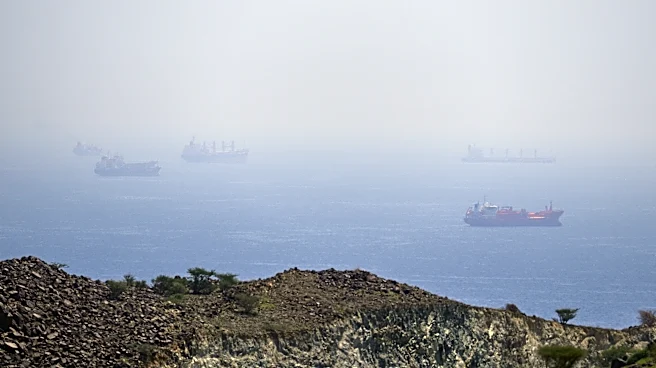
The reopening of the Rabia border crossing is significant for Iraq's economy, particularly its oil export sector, which has been impacted by the effective closure of the Strait of Hormuz. By utilizing overland routes through Syria, Iraq aims to clear its swelling fuel oil inventories and sustain its export levels. This development is crucial for Iraq's economic stability, as oil exports are a major revenue source. Additionally, the move could strengthen Iraq-Syria trade relations and provide Syria with much-needed fuel supplies. However, the reliance on overland routes may increase transportation costs and strain Iraq's trucking and border infrastructure.
What's Next?
Convoys of tanker trucks loaded with Iraqi fuel oil are expected to begin crossing the Rabia border in the coming days, adding capacity to Iraq's export operations. This increased activity may prompt further investments in border infrastructure and logistics to handle the higher volume of trade. Additionally, the reopening of the crossing could lead to enhanced diplomatic and economic ties between Iraq and Syria, potentially influencing regional trade dynamics. Stakeholders, including energy companies and regional governments, will likely monitor the situation closely to assess the long-term viability of this export route.