






What's Happening?
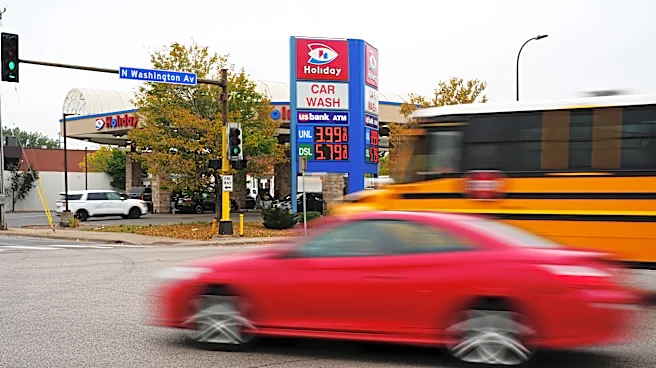
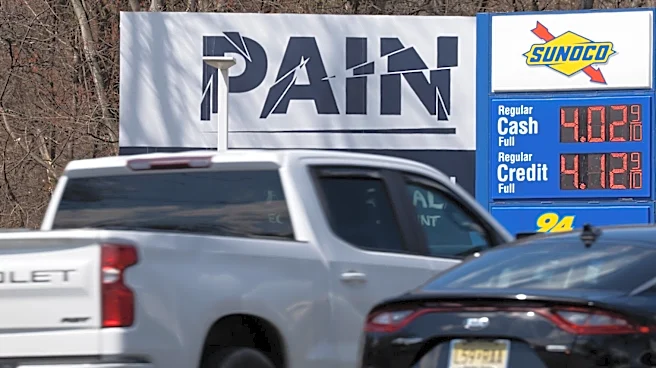
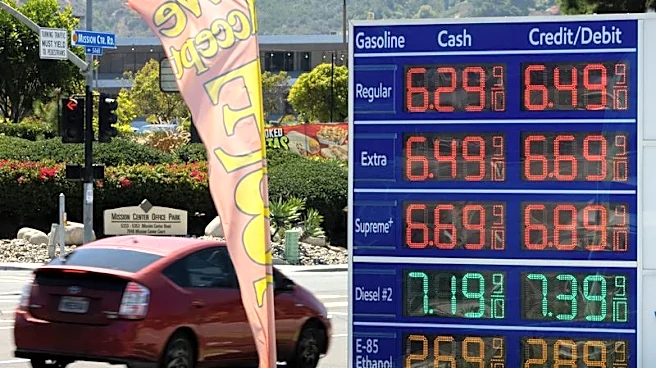
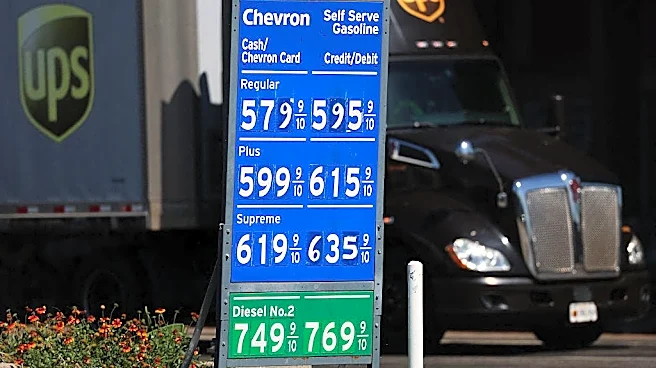
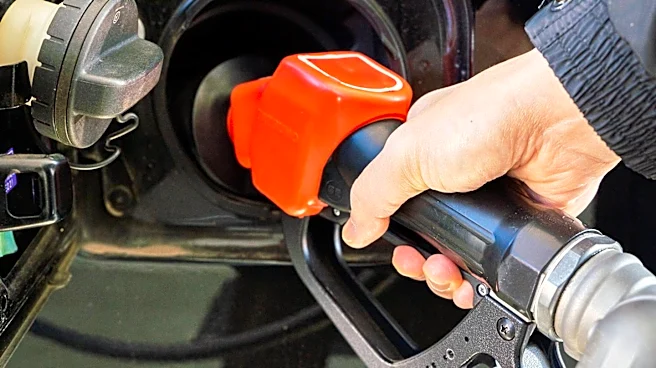
Gas prices in the Philadelphia region reached a record high on Labor Day, causing significant frustration among drivers. According to AAA spokesperson Jana Tidwell, this marks the highest Labor Day gas price on record. Drivers in the five-county Philadelphia region are
paying an average of $4.36 per gallon, while South Jersey averages $4.24, and Delaware drivers are paying approximately $4.15 per gallon. These prices are at least $1 per gallon higher than they were at the same time last year across all three regions. Drivers like Jerome Battle and James Thompson expressed their dismay, noting the continuous increase in prices. Shana Bridges from North Jersey considered delaying her fill-up due to the high costs and is contemplating trading in her SUV, citing the cumulative burden of high rent, groceries, and fuel.
Why It's Important?
The record-high gas prices in the Philadelphia region have a significant impact on household budgets and the broader economy. For many residents, the increased cost of fuel directly reduces disposable income, forcing them to make difficult choices about other essential expenses like rent and groceries. This situation can lead to a decrease in consumer spending on non-essential goods and services, potentially slowing local economic activity. Businesses that rely on transportation, such as delivery services and logistics companies, will also face higher operating costs, which could be passed on to consumers through increased prices for goods. The frustration expressed by drivers highlights a growing concern about the affordability of daily life and the strain on personal finances, potentially influencing consumer behavior and local economic trends.
What's Next?
AAA indicates that drivers might see some relief in gas prices starting in mid-September. This is attributed to the transition from summer-blend to winter-blend gasoline, which is generally less expensive to produce. While the expected drop may only be a few cents per gallon, even a modest reduction could be significant for budget-conscious drivers. However, the broader trend of elevated fuel costs, as noted by GasBuddy petroleum analyst Patrick De Haan, suggests that prices may continue to fluctuate upwards, especially for diesel, which is crucial for the U.S. economy. Consumers will likely continue to monitor gas prices closely and adjust their driving habits or consider more fuel-efficient transportation options in response to these ongoing financial pressures.
Beyond the Headlines
The sustained high gas prices in the Philadelphia region, and nationally, point to deeper economic and environmental considerations. This situation could accelerate the adoption of electric vehicles and other alternative transportation methods as consumers seek to reduce their reliance on gasoline. It also highlights the vulnerability of household budgets to global energy market fluctuations and geopolitical events. The cumulative effect of rising costs for housing, food, and fuel could exacerbate economic inequality, disproportionately affecting lower-income households. Furthermore, the public's frustration might translate into increased pressure on policymakers to address energy costs, explore domestic energy production, or invest more heavily in public transportation infrastructure. This trend could also influence urban planning and residential patterns as people consider commuting costs when choosing where to live and work.