







What's Happening?
In the first 18 months of President Trump's second term, 27 Senate-confirmed officials have left their positions within Cabinet departments. This turnover rate is significantly higher than that of previous administrations, including those of George W.
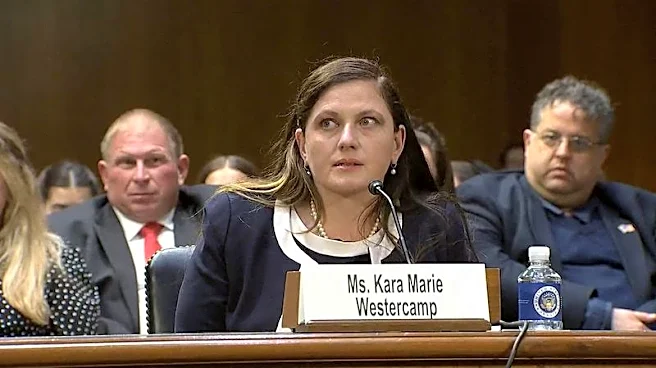
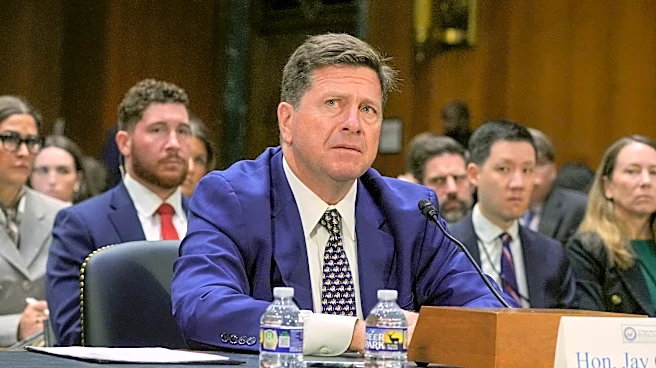
Bush, Barack Obama, and Joe Biden. Notable departures include Kristi Noem, Pam Bondi, Lori Chavez-DeRemer, and Tulsi Gabbard. The high turnover is attributed to various factors, including dissatisfaction with policy handling and personal reasons. The Partnership for Public Service, a nonprofit organization, has highlighted that this rate of departure is over six times higher than the average of previous administrations. The report also notes that many vacancies are not being filled with Senate oversight, which could lead to a concentration of power in the presidency.
Why It's Important?
The high turnover in the Trump administration could have significant implications for governance and policy implementation. With many positions left vacant or filled by acting officials, there is a potential for a concentration of power in the executive branch, bypassing the traditional checks and balances provided by Senate confirmation. This situation may lead to a less stable and predictable government, affecting public policy and administration. The lack of permanent appointments could also hinder the effectiveness of government operations, as acting officials may lack the authority or mandate to make long-term decisions. Additionally, the high turnover may reflect internal challenges within the administration, potentially impacting its ability to achieve its policy goals.
What's Next?
The administration may face challenges in filling the vacant positions, as the report indicates a low rate of nominations compared to previous administrations. This could be due to an understaffed Presidential Personnel Office or a preference for acting officials. The ongoing turnover may continue to affect the administration's ability to implement its agenda effectively. As the administration approaches the midterm elections, the high turnover could become a point of contention and scrutiny. The White House has expressed confidence in its current team, but the situation may require strategic adjustments to maintain governance stability.