








What's Happening?
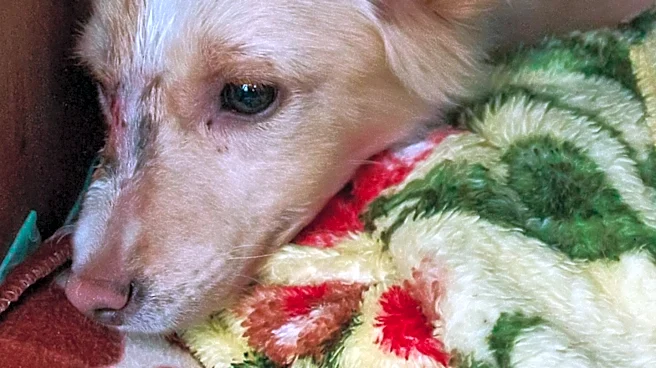
The Arizona Department of Agriculture announced an additional case of New World screwworm in a domesticated dog located near Thatcher in Graham County. This dog reportedly has no known history of travel. This new case follows the identification of two
screwworm cases in a horse and a ram earlier in the week. The first recorded case of New World screwworm in Arizona was found in a dog in Cochise County. The USDA identifies New World screwworm as a significant pest that affects livestock, pets, and wildlife, with rare instances of human impact. Animal owners are advised to regularly check their animals for specific signs, including draining or enlarging wounds, the presence of maggots or egg masses in wounds, signs of discomfort or irritability, and lesions around body openings such as ears, nose, genital area, and umbilicus.
Why It's Important?
The continued detection of New World screwworm cases, particularly in domesticated animals with no travel history, indicates a localized spread within Arizona. This situation is critical for the state's animal health and agricultural sectors. The screwworm's ability to infest various warm-blooded animals, including livestock and pets, poses a direct economic threat to ranchers and farmers due to potential animal losses and increased veterinary costs. For pet owners, the risk of infestation necessitates constant vigilance and can lead to significant distress and expense. The USDA's assessment of the screwworm as a serious threat underscores the potential for widespread ecological and economic damage if the infestation is not effectively controlled, impacting both domestic animals and native wildlife populations.
What's Next?
State officials are urging animal owners to contact the Arizona Department of Agriculture (AZDA) if they observe wounds consistent with New World screwworm infestation. Reports can be made via email at diseasereporting@azda.gov or by calling 602-542-4293 during business hours (8 a.m.-5 p.m., Monday-Friday). This reporting mechanism is crucial for tracking the spread of the parasite and implementing timely control measures. The ongoing efforts to monitor and contain the outbreak will likely involve continued surveillance, public education campaigns, and potentially further quarantine measures to prevent wider dissemination of the screwworm. The focus remains on early detection and rapid response to mitigate the impact on animal populations and the agricultural industry.
Beyond the Headlines
The re-emergence of New World screwworm in Arizona, a pest previously eradicated from the U.S., highlights the persistent challenges of managing invasive species and animal diseases in a globalized world. The fact that the screwworm can affect a wide range of warm-blooded animals, including pets and wildlife, underscores the interconnectedness of ecosystem health. This situation could lead to increased research into more effective and sustainable methods for pest control and prevention, potentially involving advanced biological controls or enhanced surveillance technologies. The public's role in reporting suspected cases is vital, emphasizing the importance of community engagement in public health and agricultural protection efforts. This event serves as a reminder of the continuous need for robust biosecurity measures and rapid response capabilities to safeguard animal health and economic stability.