






What's Happening?
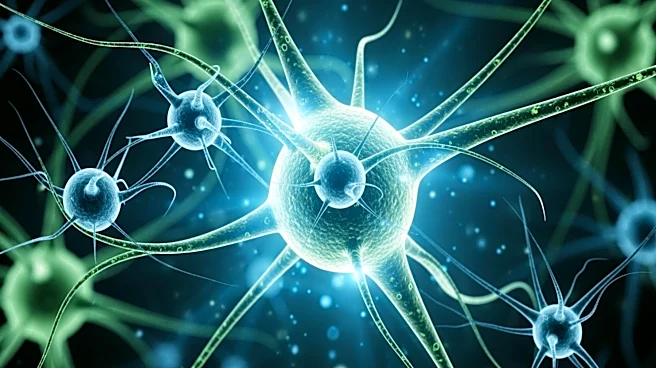
A study published in the journal Neuron by researchers from the University of Pennsylvania has uncovered that exercise not only strengthens muscles but also reshapes brain activity, enhancing endurance. The research focused on the activity of steroidogenic
factor-1 (SF1) neurons in the ventromedial hypothalamus (VMH) of mice, which showed increased activity during and after treadmill running. This neuronal activity was linked to improved endurance, as mice were able to run longer distances and at faster speeds after two weeks of training. The study suggests that the brain's response to exercise plays a crucial role in physical adaptation, potentially offering new insights into improving athletic performance and recovery.
Why It's Important?
The findings highlight the significant role of brain activity in physical endurance, suggesting that exercise-induced changes in the brain could enhance recovery and adaptation. This research could lead to new strategies for helping older adults maintain activity levels and assist in rehabilitation for stroke or injury patients. Additionally, athletes might benefit from these insights to optimize training and recovery processes. Understanding the brain's involvement in exercise adaptation could revolutionize approaches to physical fitness and health, encouraging more people to engage in regular physical activity by demonstrating its comprehensive benefits.
What's Next?
Future research may focus on identifying the exact biological processes behind the observed effects, potentially leading to interventions that enhance exercise benefits. The study's implications could influence public health recommendations, emphasizing the importance of exercise for both physical and mental health. Researchers may also explore how these findings can be applied to develop targeted therapies for individuals with mobility challenges or those recovering from injuries, ultimately broadening the scope of exercise science and its applications.