
What's Happening?
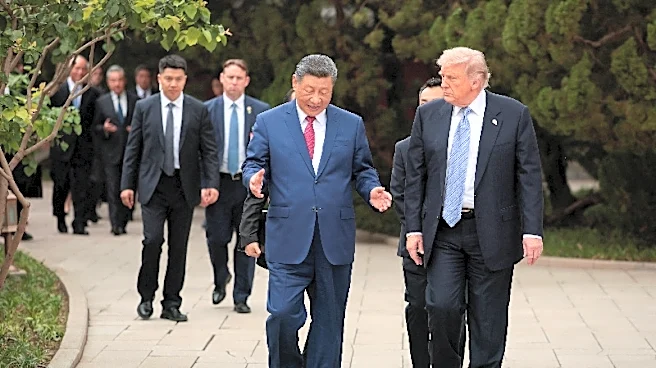
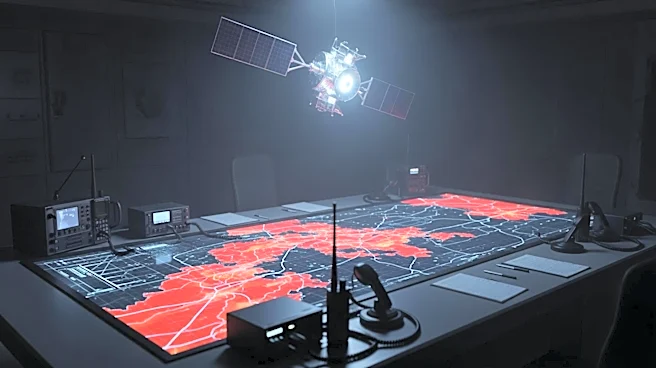
The Pentagon is reportedly preparing for a possible resumption of military strikes on Iran, following President Trump's recent comments and actions. President Trump has dismissed Iran's latest peace offer
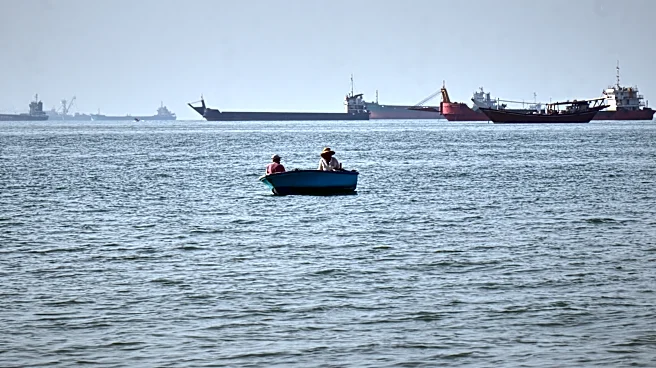
as unacceptable and has highlighted the significant damage already inflicted on Iran's military infrastructure by U.S. forces. The New York Times reported that there are intense preparations underway for potential aggressive bombing runs, which could commence as soon as next week. This development follows the temporary ceasefire announced on April 8, after Operation Epic Fury, which lasted 40 days. The U.S. Central Command has disputed reports that Iran has maintained a significant portion of its missile and rocket launcher capabilities, with Adm. Brad Cooper labeling such reports as inaccurate. Meanwhile, Iran's parliament security chief, Ebrahim Azizi, has announced plans to manage traffic in the Strait of Hormuz, potentially closing it to American-linked ships.
Why It's Important?
The potential resumption of military strikes on Iran could have significant implications for regional stability and global oil markets. The Strait of Hormuz is a critical chokepoint for global oil shipments, and any disruption could lead to increased oil prices and economic uncertainty. The U.S. military's readiness to escalate operations underscores the ongoing tensions between the U.S. and Iran, which could impact diplomatic relations and security dynamics in the Middle East. The presence of approximately 50,000 U.S. troops in the region, along with naval forces, highlights the seriousness of the situation. The outcome of these developments could affect U.S. foreign policy and its relations with allies and adversaries in the region.
What's Next?
If peace talks fail, the U.S. may proceed with aggressive military actions against Iran, potentially leading to further escalation of the conflict. The international community, including U.S. allies, will likely monitor the situation closely, as any military action could have widespread repercussions. The U.S. government may face pressure to justify its actions and manage the diplomatic fallout. Additionally, Iran's response to any renewed military strikes will be critical in determining the future trajectory of the conflict. The situation remains fluid, and the potential for diplomatic resolutions or further military engagements will depend on the actions of both the U.S. and Iran in the coming days.