



What's Happening?
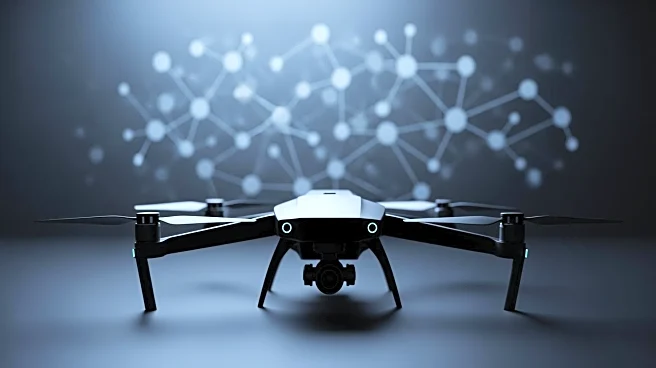
The Federal Communications Commission (FCC) has announced a ban on the importation of new drones manufactured in foreign countries, unless recommended by the Department of Defense or the Department of Homeland Security. This decision adds drones to the FCC's
Covered List, categorizing them as communications equipment that poses 'unacceptable risks to the national security of the United States and to the safety and security of U.S. persons.' The action particularly affects drones and components from companies like DJI, a leading global drone manufacturer. Despite the ban, existing foreign-made drones can continue to operate in the U.S. DJI expressed disappointment with the decision, noting that no specific information was provided by the Executive Branch regarding the criteria used for this determination. The FCC's decision follows a National Security Determination that highlighted potential risks such as persistent surveillance and data exfiltration posed by foreign-manufactured drones.
Why It's Important?
The FCC's ban on foreign-made drones underscores growing concerns over national security and data privacy in the U.S. The decision reflects a broader trend of scrutinizing foreign technology that could potentially compromise U.S. infrastructure and cybersecurity. This move could significantly impact the drone industry, particularly companies like DJI that have a substantial market presence in the U.S. It also signals a tightening of regulations around foreign technology, aligning with previous actions against companies like Huawei and ZTE. The ban could lead to increased demand for domestically produced drones, potentially boosting the U.S. drone manufacturing sector. However, it may also lead to higher costs and reduced availability of certain drone technologies for consumers and businesses.
What's Next?
The FCC's decision may prompt further regulatory actions and reviews of foreign technology used in critical infrastructure. Companies affected by the ban, like DJI, may seek to engage with U.S. authorities to address security concerns and potentially have their products removed from the Covered List. The U.S. government may also continue to evaluate other foreign technologies for potential security risks, leading to additional restrictions. Stakeholders in the drone industry, including manufacturers and users, will need to adapt to the new regulatory environment, potentially exploring alternative suppliers or investing in domestic production capabilities.