


What's Happening?
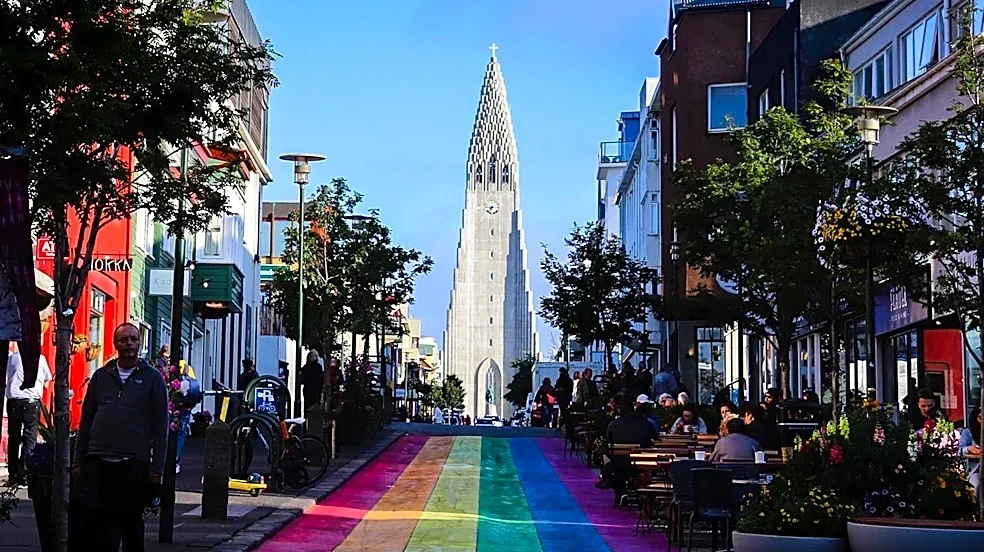
Officials in Swampscott, Massachusetts, have sparked outrage among residents after two rainbow crosswalks were painted over, with the town citing 'regularly scheduled maintenance' as the reason. The town's official Facebook account released a statement
acknowledging the significance of the crosswalks and affirming its commitment to supporting LGBTQIA+ residents, stating that the maintenance work does not reflect any change in this commitment. However, many residents, including Katie Murphy Arrington, expressed skepticism, arguing that 'routine maintenance doesn’t require painting over colors in black.' Arrington emphasized that the crosswalks represented visibility and inclusivity for the LGBTQ+ community and that their erasure sends a negative message. The town later issued another statement recognizing the concerns and inviting residents to an October 21 Select Board meeting to discuss the matter further. A GoFundMe campaign has been launched to restore the rainbow crosswalks, raising $2,945 towards a $5,000 goal.
Why It's Important?
This incident highlights the ongoing tension between municipal actions and community symbolism, particularly concerning LGBTQ+ representation. The painting over of rainbow crosswalks, regardless of the stated reason, is perceived by many as an act of erasure, undermining efforts to foster an inclusive environment. This can lead to a sense of alienation and distrust among LGBTQ+ residents and their allies, who view such symbols as crucial affirmations of their presence and acceptance within the community. The swift public backlash and the initiation of a crowdfunding campaign demonstrate the strong emotional and social significance attached to these symbols. It underscores how seemingly administrative decisions can have profound social and political implications, impacting community cohesion and the perception of local government's commitment to diversity and inclusion. The situation also brings to light the challenges local governments face in balancing maintenance protocols with the symbolic value of public art and community-driven initiatives.
What's Next?
The Swampscott Select Board is scheduled to hold a meeting on October 21 to discuss the policies and procedures surrounding roadway markings, including those supported through private donations. This meeting will provide an opportunity for residents to voice their concerns directly to town leadership and for officials to clarify their intentions and future plans regarding the crosswalks. The GoFundMe campaign to restore the rainbow crosswalks is ongoing, and its success will likely influence the community's ability to reinstate the symbols independently if official action is not satisfactory. The outcome of the Select Board meeting and the progress of the fundraising effort will determine whether the rainbow crosswalks are restored and how the town addresses the broader issue of maintaining inclusive public spaces. The situation could set a precedent for how other municipalities handle similar community-initiated public art projects and their maintenance.
Beyond the Headlines
Beyond the immediate controversy, this event touches upon deeper themes of civic engagement, the power of symbols, and the evolving nature of community identity. The rainbow crosswalks were not merely decorative; they served as a visible declaration of support for the LGBTQ+ community, fostering a sense of belonging and safety. Their removal, even under the guise of maintenance, inadvertently triggered a debate about who defines public space and what messages are deemed acceptable or necessary. This incident reflects a broader societal conversation about the role of public art in expressing community values and the potential for bureaucratic processes to inadvertently clash with deeply held social and cultural meanings. It also underscores the importance of clear communication and community consultation in local governance, especially when dealing with symbols that carry significant emotional and political weight for marginalized groups. The community's response demonstrates the enduring power of collective action in advocating for inclusive public spaces.