





What's Happening?
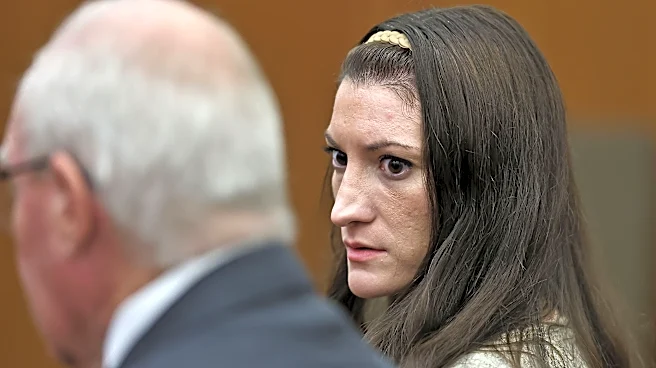
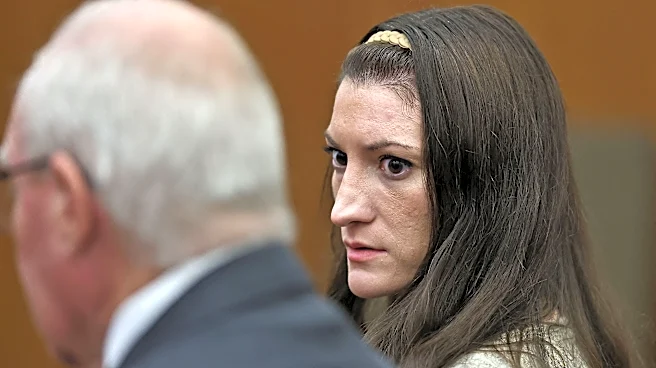
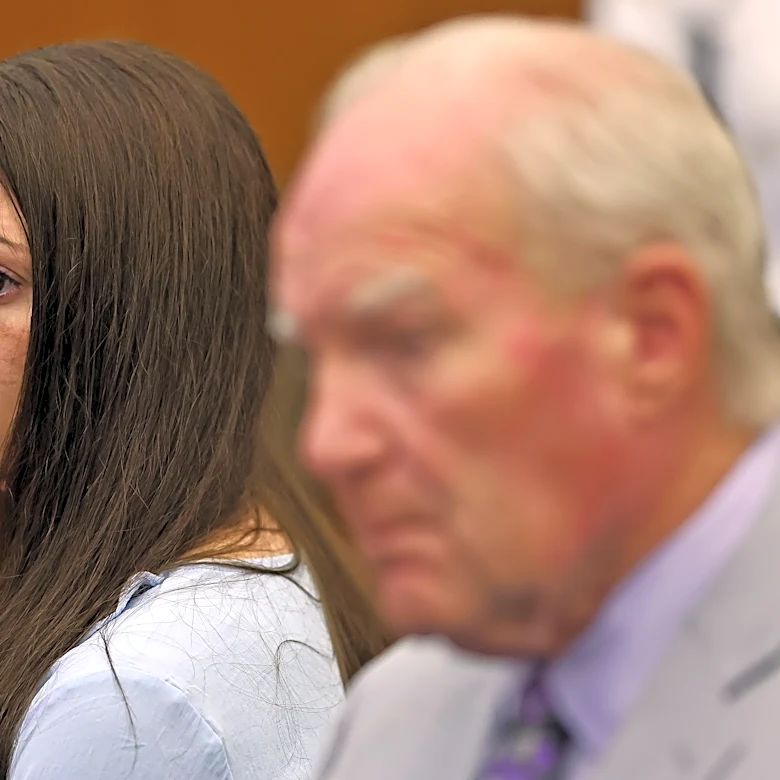
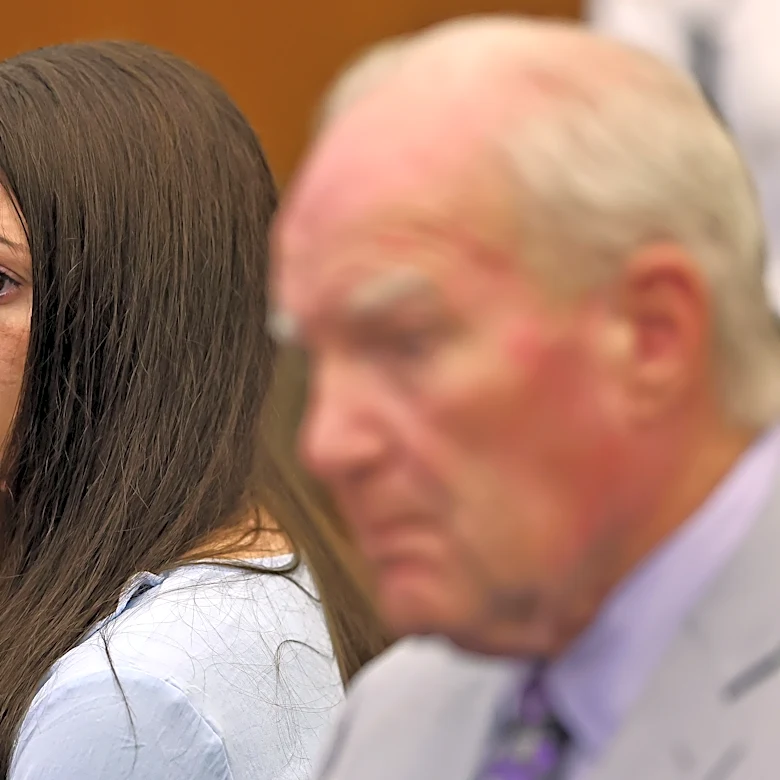
The jury in the Lindsay Clancy trial is struggling to reach a verdict, having informed Judge William Sullivan twice that they are at an impasse regarding whether the Massachusetts mother is criminally responsible for killing her three young children.
Clancy, a 36-year-old former labor and delivery nurse, does not deny strangling her children in 2023. Her defense argues that postpartum psychosis led to her actions, while prosecutors contend she was aware of her actions when she killed Cora, Dawson, and Callan Clancy, aged 5, 3, and 8 months. The trial has garnered significant public interest, sparking divisions over her culpability and the broader issues surrounding maternal mental health after childbirth. Judge Sullivan has urged the jurors to continue deliberating, considering opposing views without abandoning their convictions.
Why It's Important?
A hung jury in this high-profile case would underscore the profound legal and societal complexities surrounding mental health defenses, particularly postpartum psychosis, in criminal proceedings. The inability to reach a unanimous verdict reflects the deep divisions in public opinion and expert testimony regarding the extent to which mental illness can diminish criminal responsibility. This case has brought national attention to maternal mental health, highlighting the severe and often misunderstood challenges women can face after childbirth. The outcome, whether a mistrial, conviction, or acquittal, will have significant implications for how the legal system addresses mental illness in criminal cases and could influence future policy discussions on support for new mothers.
What's Next?
If the jury remains deadlocked, Judge Sullivan could declare a mistrial. In such a scenario, prosecutors would face the decision of whether to retry Clancy, drop the charges, or negotiate a plea deal with her attorney. A retrial would prolong the legal process and continue the emotional toll on all parties involved. If Clancy is acquitted, a judge could still order her confinement to a mental health facility if she is deemed a danger to the public. Regardless of the immediate legal outcome, the case will likely continue to fuel public discourse on maternal mental health, the justice system's capacity to handle complex psychological defenses, and the need for greater understanding and support for individuals suffering from severe mental health conditions.
Beyond the Headlines
This trial delves into the profound ethical and moral questions surrounding culpability when severe mental illness is a factor in tragic events. The defense's argument of postpartum psychosis challenges the traditional legal framework of intent and responsibility, forcing a re-evaluation of how society views and treats mental health conditions, especially those unique to women's reproductive experiences. The public's divided reactions reflect a broader societal struggle to reconcile compassion for mental illness with the demand for justice for victims. This case could serve as a catalyst for legislative changes or increased funding for research and support services related to postpartum mental health, aiming to prevent similar tragedies and ensure that individuals receive appropriate care rather than solely punitive measures.