




What's Happening?
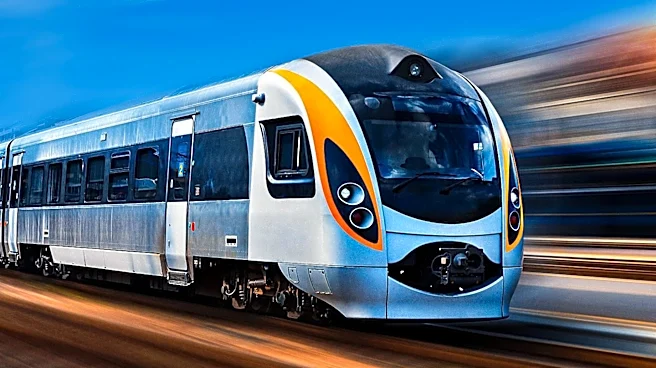
Amtrak's Acela service provides a high-speed rail connection between New York City's Penn Station and Boston's South Station, covering approximately 215 miles. The Acela is Amtrak's flagship high-speed train, capable of reaching speeds of 160 mph in certain
sections, and completes the trip in about 3 hours and 30 minutes for nonstop services. Regional trains, which make additional stops in locations such as New Rochelle, Stamford, New Haven, and Providence, typically take between 4 to 4 and a half hours. The route is a critical corridor in the United States, serving thousands of passengers daily between these two major metropolitan centers. Onboard, Acela offers a quieter ride, power outlets at every seat, and Wi-Fi, though its consistency can vary. Regional trains provide a more traditional experience with comfortable seats and slower Wi-Fi, but offer lower prices and increased frequency. Both services offer food options, with Acela providing hot food in a café car and regional trains offering a snack bar.
Why It's Important?
The Amtrak Acela service is a significant transportation option for the Northeast Corridor, offering a competitive alternative to driving and flying between New York City and Boston. For business travelers and commuters, the Acela's speed and amenities like power outlets and Wi-Fi are crucial for productivity on the go. The availability of different ticket classes, from Economy to First Class, caters to a range of budgets and comfort preferences, making rail travel accessible to a broader demographic. The dynamic pricing structure, which rewards advance booking and mid-week travel, influences travel planning and cost efficiency for passengers. Furthermore, the environmental benefits of rail travel, which generally produces a smaller carbon footprint per passenger mile compared to driving or flying, align with growing eco-conscious travel trends, positioning Amtrak as a more sustainable choice for intercity travel in the region.
What's Next?
Travelers on the NYC to Boston route can expect continued dynamic pricing, with significant fluctuations based on demand, day of the week, and proximity to departure time. Amtrak's spokesperson indicates that mid-week travel and advance booking will remain the most economical strategies for passengers. The ongoing demand for efficient and comfortable travel between these two major cities suggests that Amtrak will continue to optimize its services, potentially exploring further enhancements to Wi-Fi consistency and onboard amenities to meet traveler expectations. As urban congestion and environmental concerns persist, the appeal of high-speed rail as a reliable and sustainable transportation mode is likely to grow, potentially leading to increased ridership and further investment in the Northeast Corridor's rail infrastructure.
Beyond the Headlines
The sustained popularity of Amtrak's Acela service highlights a broader shift in U.S. transportation preferences, particularly in densely populated corridors. The choice of rail over air or road travel reflects not only a desire for efficiency but also a growing appreciation for the travel experience itself, including the ability to work or relax without the stresses of airport security or traffic congestion. The environmental advantage of rail travel also plays into a larger societal trend towards sustainability, influencing consumer choices and potentially driving policy decisions related to infrastructure development and public transportation funding. The Acela's success could serve as a model for expanding high-speed rail in other U.S. regions, demonstrating the viability of such systems as integral components of a modern, interconnected national transportation network.