






What's Happening?
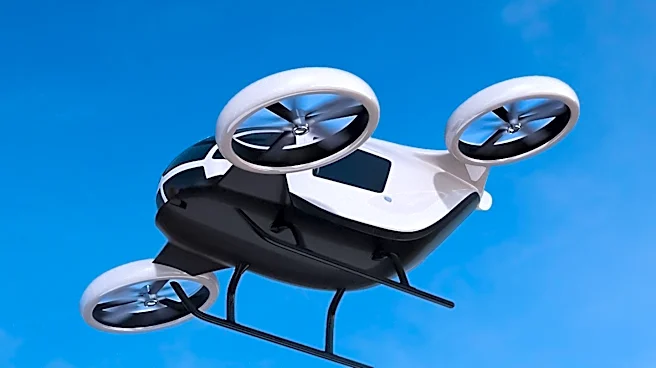
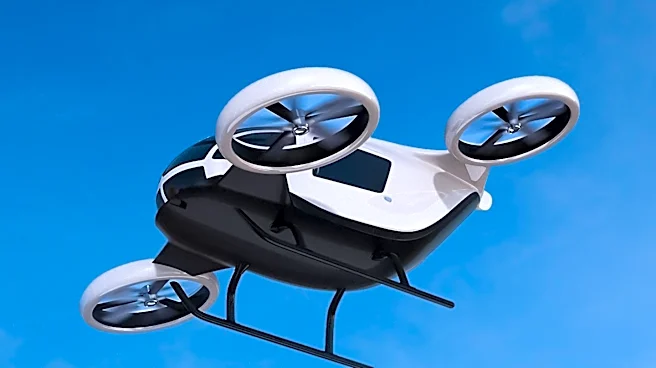
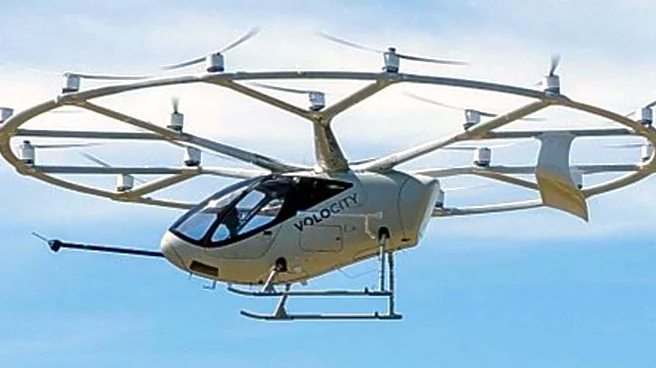
Orlando International Airport has conducted its first demonstration flights for electric vertical takeoff and landing (eVTOL) aircraft. These innovative aircraft are designed to take off and land vertically, eliminating the need for traditional runways.
The Greater Orlando Aviation Authority has advanced plans for a temporary vertipad, which is a dedicated area for these eVTOLs to operate. This development marks a significant step in integrating advanced air mobility solutions into existing airport infrastructure. The demonstrations showcase the operational capabilities of these new aircraft and their potential for future air travel. The airport is exploring how eVTOL technology can enhance transportation options and efficiency within the region. This initiative aligns with broader trends in the aviation industry towards more sustainable and flexible air travel methods.
Why It's Important?
The introduction of eVTOL demonstration flights at Orlando International Airport is important because it signals a potential shift in urban and regional air transportation. This technology could alleviate ground traffic congestion, offer faster travel times for commuters, and provide new connectivity options for areas not well-served by traditional airports. For the aviation industry, it represents a move towards electrification and reduced carbon emissions, aligning with global sustainability goals. Orlando, as a major tourist destination, could particularly benefit from enhanced transportation efficiency, potentially improving visitor experiences and local commerce. The successful integration of eVTOLs could also spur economic growth through job creation in manufacturing, maintenance, and operations of these new aircraft and associated infrastructure. This development positions Orlando as a potential leader in adopting future air mobility solutions.
What's Next?
Following these initial demonstration flights, the Greater Orlando Aviation Authority will likely evaluate the performance and operational feasibility of eVTOLs within the airport environment. Future steps may include developing permanent vertipad infrastructure, establishing regulatory frameworks for eVTOL operations, and planning for commercial services. Collaboration with eVTOL manufacturers and air traffic control will be crucial to ensure safe and efficient integration into the existing airspace. Public perception and acceptance will also play a role in the broader adoption of this technology, necessitating public awareness campaigns and community engagement. The airport may also explore partnerships to develop charging infrastructure and ground support services required for eVTOL fleets. Further testing and refinement of operational procedures are anticipated before any widespread commercial deployment.
Beyond the Headlines
The deployment of eVTOL technology at major airports like Orlando International has deeper implications beyond just transportation efficiency. It could redefine urban planning, leading to the development of new vertiports in city centers and suburban areas, thereby decentralizing air travel. This shift might also influence real estate development around these new transportation hubs. Ethically, questions around noise pollution, visual impact, and equitable access to this new mode of transport will need to be addressed. Legally, new regulations will be required to govern air traffic management for eVTOLs, pilot licensing, and safety standards, which could involve significant legislative efforts. Culturally, the widespread adoption of eVTOLs could alter perceptions of travel, making short-distance air travel more commonplace and integrated into daily life, potentially leading to a more interconnected urban landscape.